Short answer: to sell bagged wood pellets for stoves, 30 tons per month can be made with a flat die pellet mill of about USD 4,600, and 100 tons per month with one of USD 6,134. From about 300 tons, a ring die machine makes sense. But what defines the business is not the machine, it is pellet quality. Below are the math and what this market asks for.
What a pellet stove asks for
A stove is more demanding than an industrial boiler, and the customer notices. The most widely used references are those of the European ENplus A1 standard:
- Diameter: 6 or 8 mm, usually 6 mm.
- Moisture: up to 10%.
- Ash: up to 0.7%.
Ash depends mainly on the raw material. Clean, bark-free sawdust makes premium pellets; bark, soil or construction waste downgrade them, and no machine corrects that. Before thinking about the pellet mill, look at what sawdust you can get and have it analyzed. If it does not reach that grade, there is still a market in industrial boilers, but at another price.
The math: which machine by tonnage
With 22 days of 8 hours (176 hours per month):
- 30 tons per month: 170 kg/h. The MKFD230C (120 to 200 kg/h, 11 kW, USD 4,591) works.
- 100 tons per month: 570 kg/h. The MKFD260C (550 kg/h, 15 kW, USD 6,134) is at the limit, and the MKFD360C (680 to 820 kg/h, 22 kW, USD 9,393) gives margin. Hardwood yields less than softwood, so margin is wise.
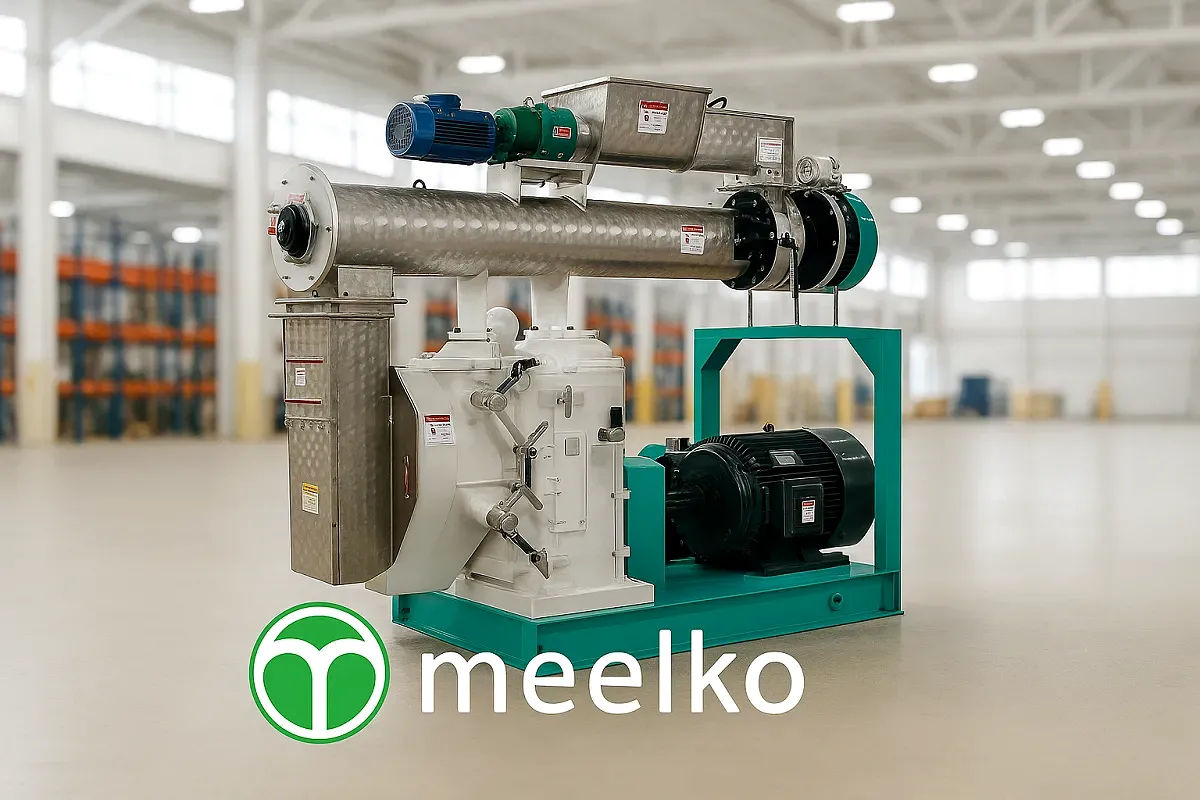
- 300 tons per month: 1.7 t/h. That is no longer a job for a flat die: the MKRD420C ring die (1,000 to 2,000 kg/h, 90 kW, USD 65,000) is built for continuous production.
That is 2,000 bags of 15 kg per month in the first case, about 6,670 in the second and 20,000 in the third. This quantity also defines how much space and staff you need for bagging.
The choice between flat and ring die is covered in flat die pellet mills and how to choose a plant's capacity. If your material is very dry or slippery, see also the type R.
The complete line
The pellet mill is only one part. Depending on how your material arrives, you will need:
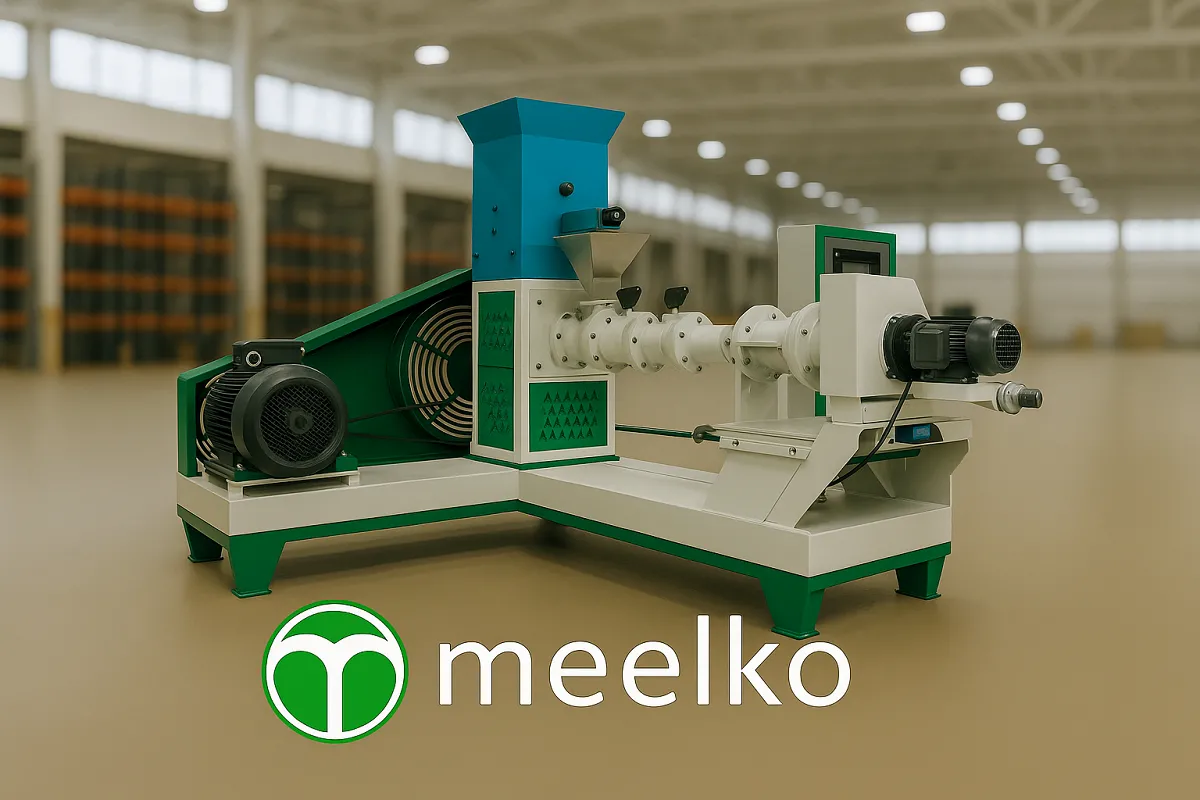
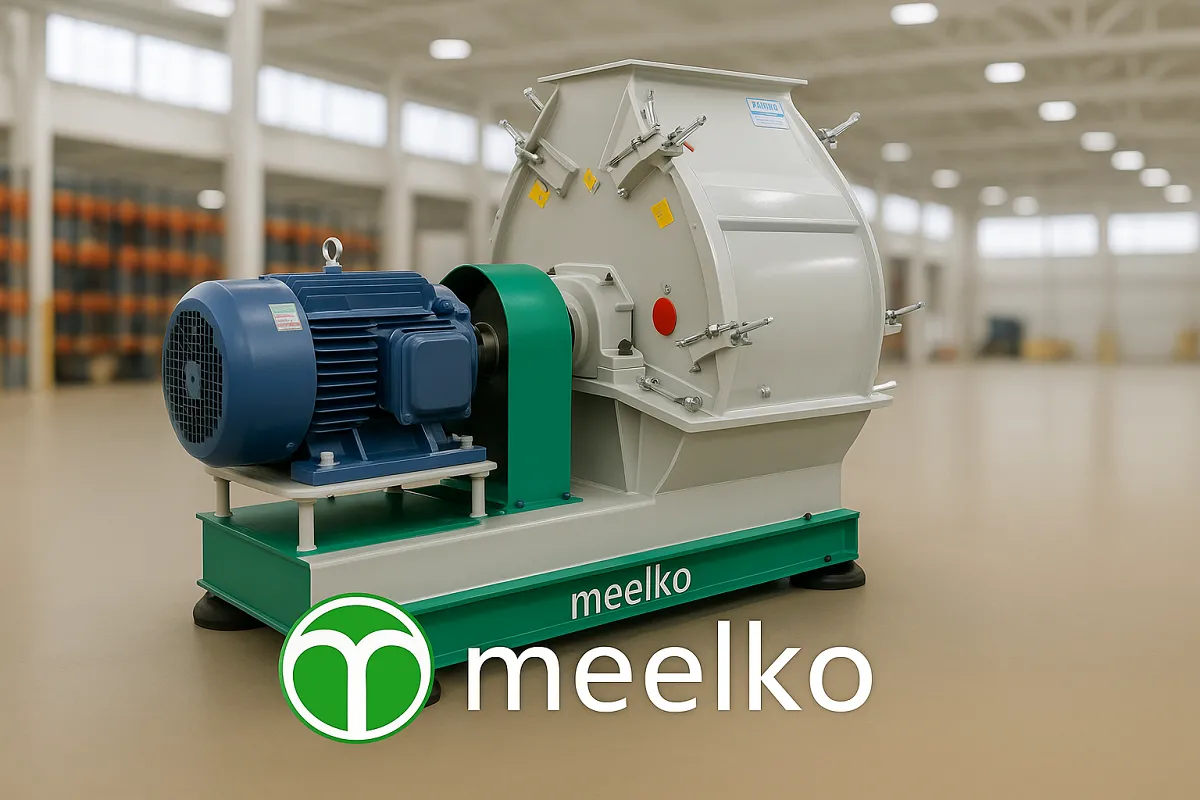
- Hammer mill: if you work with shavings or chips. See shredder or hammer mill.
- Dryer: if sawdust arrives wet. See how to size the dryer. It is usually the most expensive stage and the one that weighs most on costs.
- Cooler, screen and bagger: pellets come out hot and soft, and have to be cooled and cleared of fines before bagging.
The pellet line sizing tool builds the line from your data, and the power consumption calculator tells you what power to contract. The sawdust case is developed in sawdust pellet plant.
The business: three deciding factors
- Sawdust, close and cheap. It defines the margin. Having your own sawmill or a long-term agreement is worth more than any machine.
- Seasonality. Stoves are used in winter, but the plant produces all year. You will need dry storage and capital to hold stock, or customers who buy out of season, such as industrial ones.
- Brand and distribution. The 15 kg bag sells through hardware stores, building suppliers and stove dealers, and customers return if the pellet leaves little ash and does not crumble.
To run the numbers at your prices, use the pellet plant profitability calculator or read costs and profitability of a plant.
Conclusion
A small plant can start with a low investment, but stove customers buy quality: secure the raw material first. Meelko, an American brand of agro-industrial machinery, offers wood pellet mills from 120 to 400 mm and industrial ring die machines. Tell us what sawdust you have, how many bags you want to sell and where, and we will propose the line.