Short answer: a balanced feed plant is not just a list of machines. It also takes complementary equipment, electrical panels and electromechanical systems, electrical installation, the power all of that consumes, assembly, commissioning and testing. As a rough reference, a 150 kg/h plant runs about USD 20,000 to 24,000; a 500 kg/h one, USD 47,000 to 58,000; and a 1 t/h one, USD 163,000 to 199,000, without building or freight. Below is what each number includes.
What a plant takes, stage by stage
- Intake and storage: hoppers or silos for grain, meals and premixes.
- Grinding: a hammer mill reduces grain to the size the formula calls for.
- Dosing: each ingredient is weighed, by hand or with scales depending on scale.
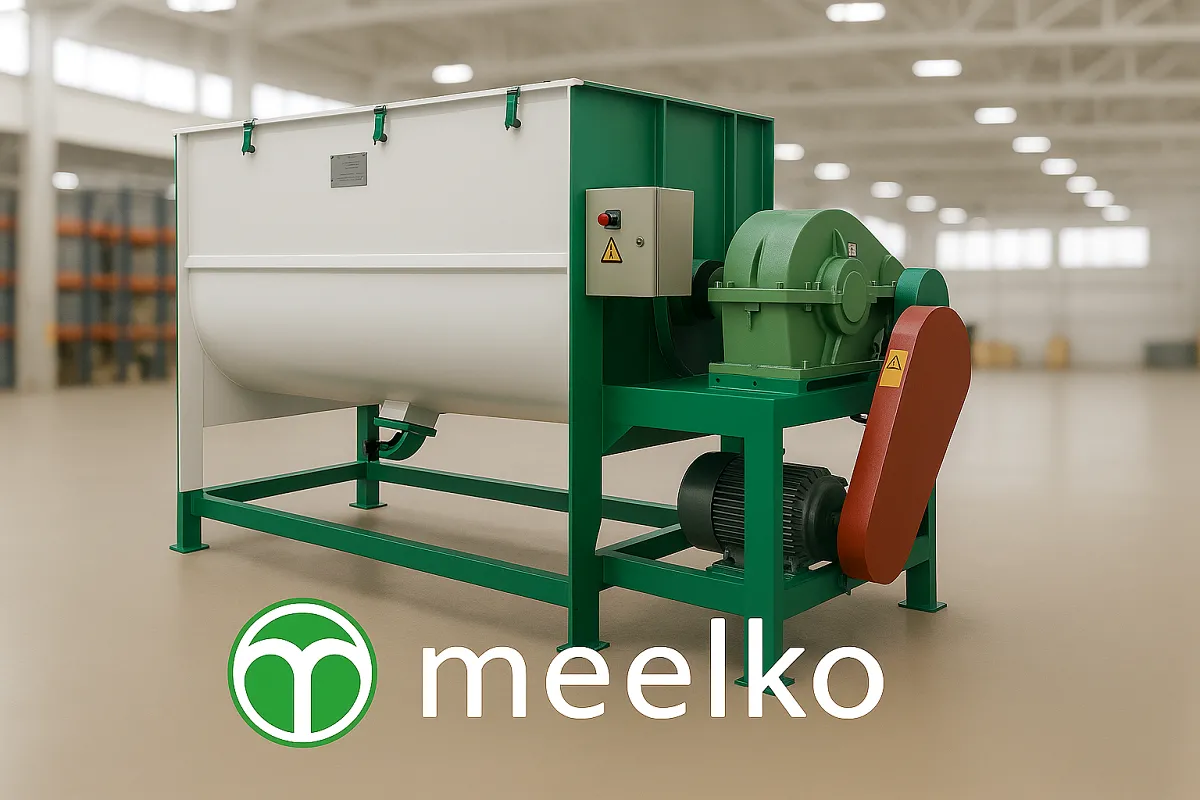
- Mixing: a horizontal mixer spreads vitamins and minerals evenly. See what capacity to choose.
- Conditioning: in ring die plants, steam prepares the mix before pressing.
- Pelleting: the pellet mill forms the pellet.
- Cooling and screening: the pellet comes out hot and soft; it is cooled, hardened and cleared of fines, which return to the process.
- Bagging or bulk: bags, big bags or finished product silos.
- Conveying between stages: screw conveyors, bucket elevators and belts.
What does not appear on the machine list
This is what gets underestimated most when budgeting:
- Electrical panels and electromechanical systems: starters, protections, sensors and the sequence that coordinates the machines. We explain it in panel, electrical installation and power.
- Electrical installation: wiring, cable trays and grounding, from the panel to each motor.
- Electrical power: the grid has to be able to deliver what the plant consumes. If not, you need to upgrade the connection or add a transformer or generator.
- Assembly: foundations, leveling, interconnection between equipment and suction ducts.
- Commissioning and testing: taking the plant from switching on to producing the feed you want to sell. See assembly, commissioning and testing.
What it all costs: three sizes
Machine prices are catalog list prices. The rest are rough ranges, calculated as a percentage of the machines; the final number comes from each project's quote.
Small plant: 150 kg/h (about 26 tons per month)
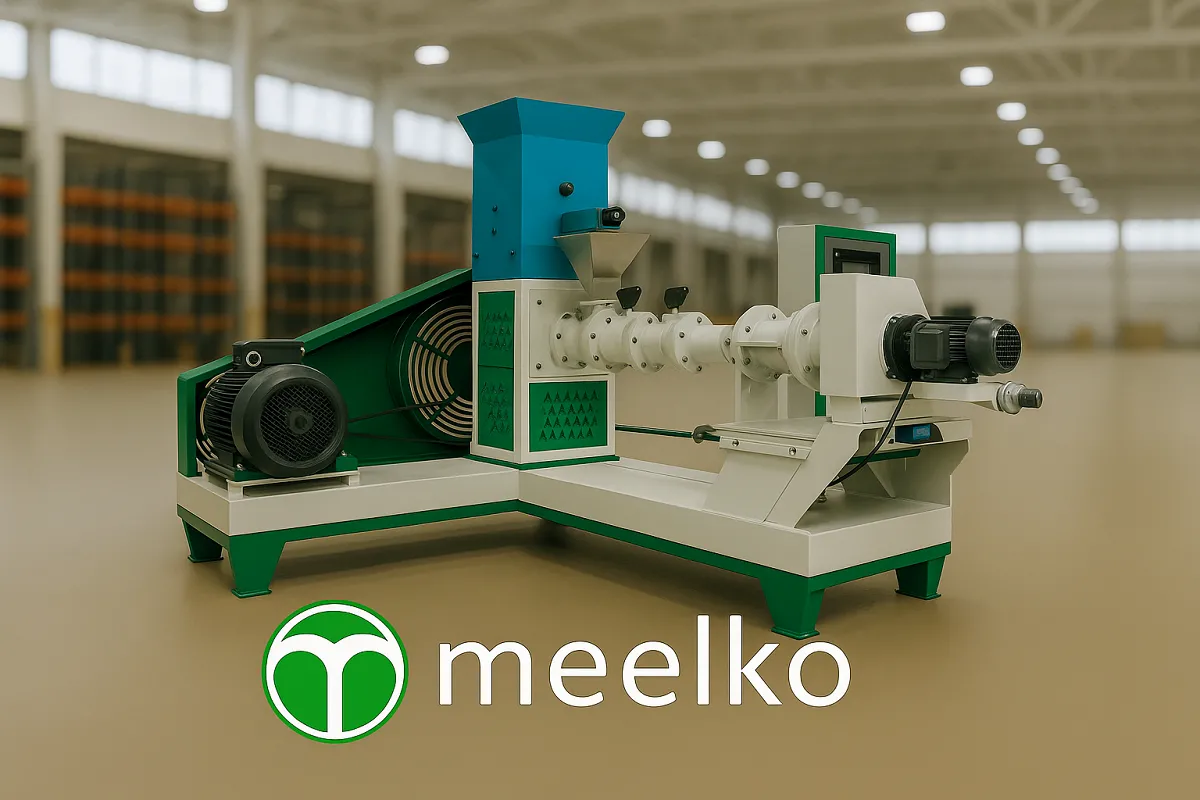
- MKFD200C pellet mill (7.5 kW): USD 3,142.
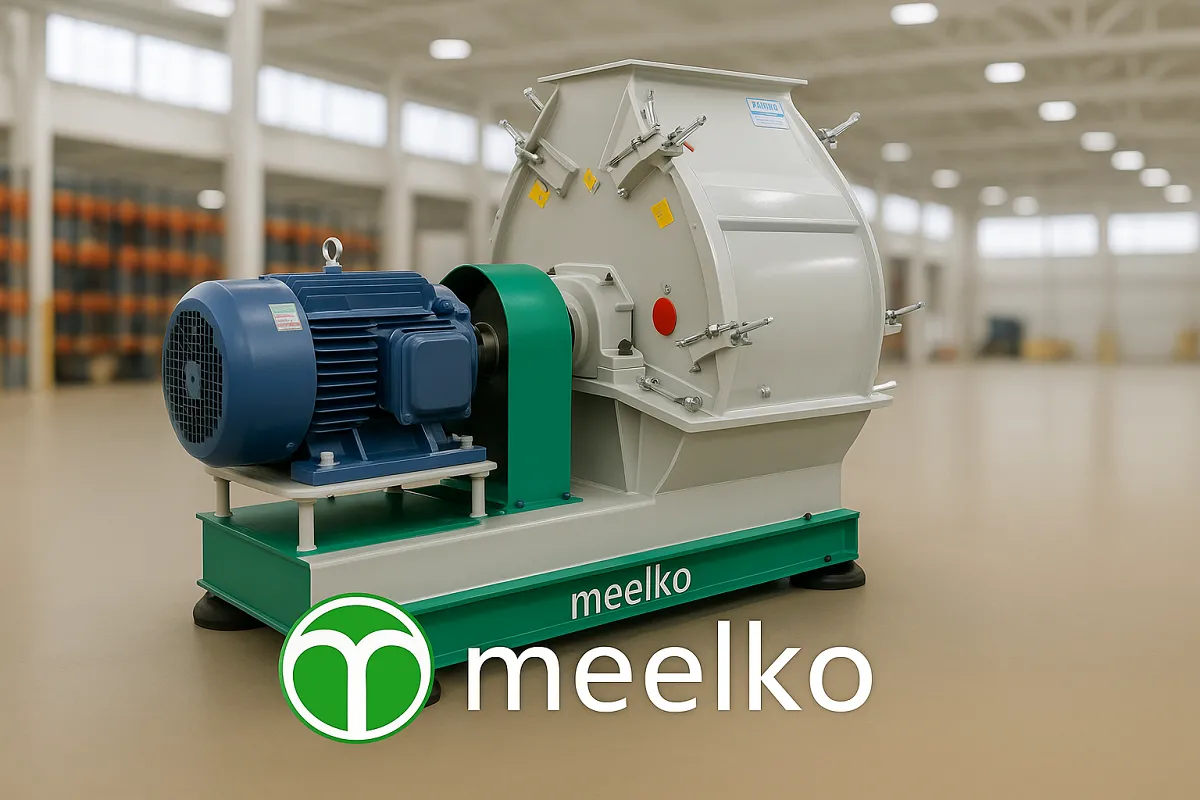
- MKH198B hammer mill (7.5 kW): USD 2,237.
- 150 kg/h mixer (2.2 kW): USD 3,686.
- Two screw conveyors (1.5 kW each): USD 3,600.
- Machines: USD 12,665. With everything else: USD 19,800 to 24,100.
Medium plant: 500 kg/h (about 88 tons per month)
- 260 mm pellet mill (550 kg/h, 15 kW): USD 6,134.
- MKH500C hammer mill (22 kW): USD 5,538.
- 500 kg/h mixer (7.5 kW): USD 10,387.
- Bucket elevator, two screw conveyors and a belt: USD 8,300.
- Machines: USD 30,359. With everything else: USD 47,400 to 57,700.
Here is how the rest breaks down for this plant:
- Complementary equipment (hoppers, cooler, screen, bagging, suction), 25 to 40%: USD 7,600 to 12,100.
- Panels and electromechanical systems, 10 to 15%: USD 3,000 to 4,600.
- Internal electrical installation, 8 to 15%: USD 2,400 to 4,600.
- Mechanical assembly, 8 to 12%: USD 2,400 to 3,600.
- Commissioning, testing and training, 5 to 8%: USD 1,500 to 2,400.
Industrial plant: 1 t/h (about 176 tons per month)
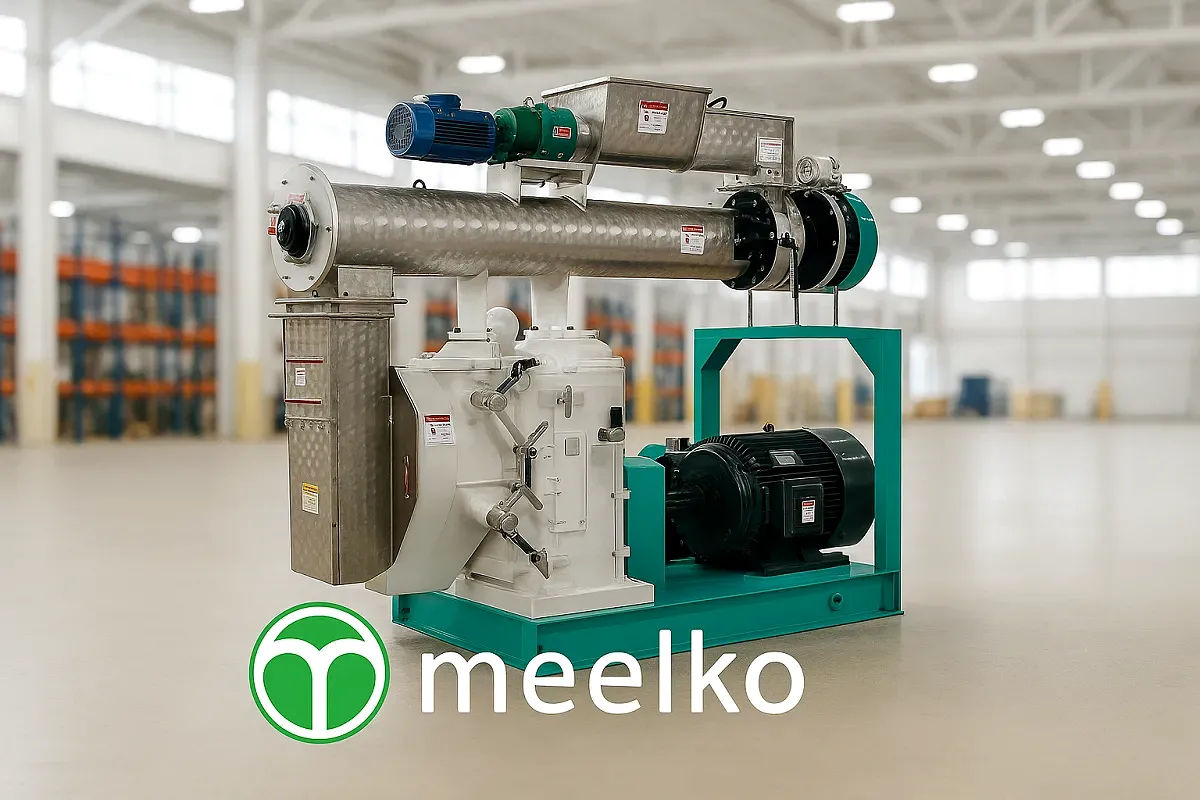
- MKRD420C ring die pellet mill (1,000 to 2,000 kg/h, 90 kW): USD 65,000.
- MKH500C hammer mill (22 kW): USD 5,538.
- Two 500 kg/h mixers: USD 20,774.
- Two bucket elevators, three screw conveyors and a belt: USD 13,300.
- Machines: USD 104,612. With everything else: USD 163,200 to 198,800.
At this scale you can also get a quote for an integrated line, such as the 1,000 kg/h plant with ring die pellet mill, which comes with mixer, conditioner, cooler and screening.
What to add separately
- Building and civil works. As a reference, about 80 m² for the small plant, 165 m² for the medium and 290 m² for the 1 t/h, not counting raw material and product storage. Allow height for the bucket elevators.
- Grid connection and, if needed, a transformer or generator.
- Boiler, if the line uses steam.
- Freight and customs, depending on the country.
- Working capital: raw material is paid for before the feed is sold.
Requirements before buying
- Market and formula. Which species, which stages and how many tons per month. Formulas are best developed with a nutritionist.
- Permits. In almost every country, selling animal feed requires registering the establishment and the products. Check before choosing the site.
- Nearby raw material. It is the largest cost of feed: it usually decides where the plant goes.
- Available energy. Ask the power company what capacity you can have on site. The power consumption calculator gives you the figure for that request.
- Staff. One or two people per shift at these scales, plus quality control.
- Dust control. Grain dust is a fire and explosion hazard, and suction and cleaning are part of the design.
Not all plants are the same
Some plants make only mash, others pelletize and others extrude; some run without grid power and others are highly automated. Each decision changes the investment. We compare them in variations of a feed plant. If you are just starting, also use the line sizing tool and the profitability calculator, choosing balanced feed as the material.
Conclusion
When comparing quotes, ask what each one includes: a list of machines is not a running plant. Meelko, an American brand of agro-industrial machinery, offers the machines and also assembly, commissioning and training. Tell us what feed you want to produce, how many tons per month and where, and we will quote the complete project.