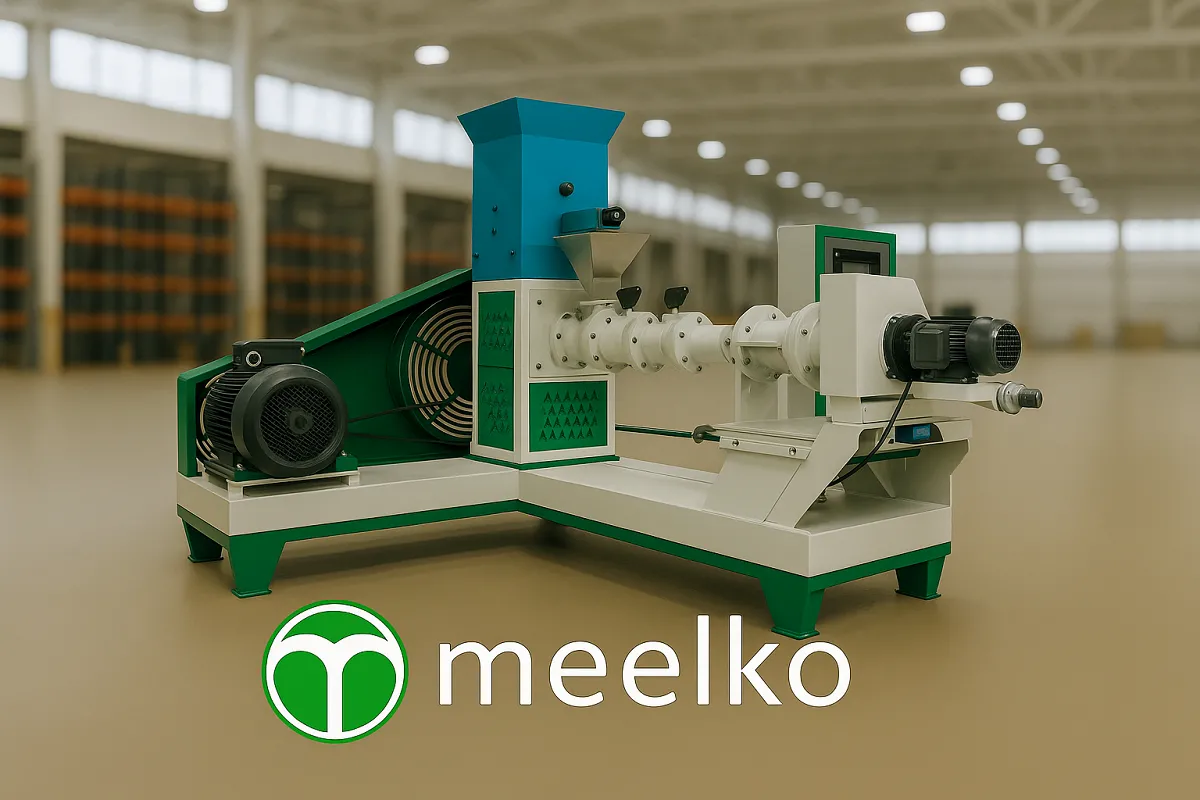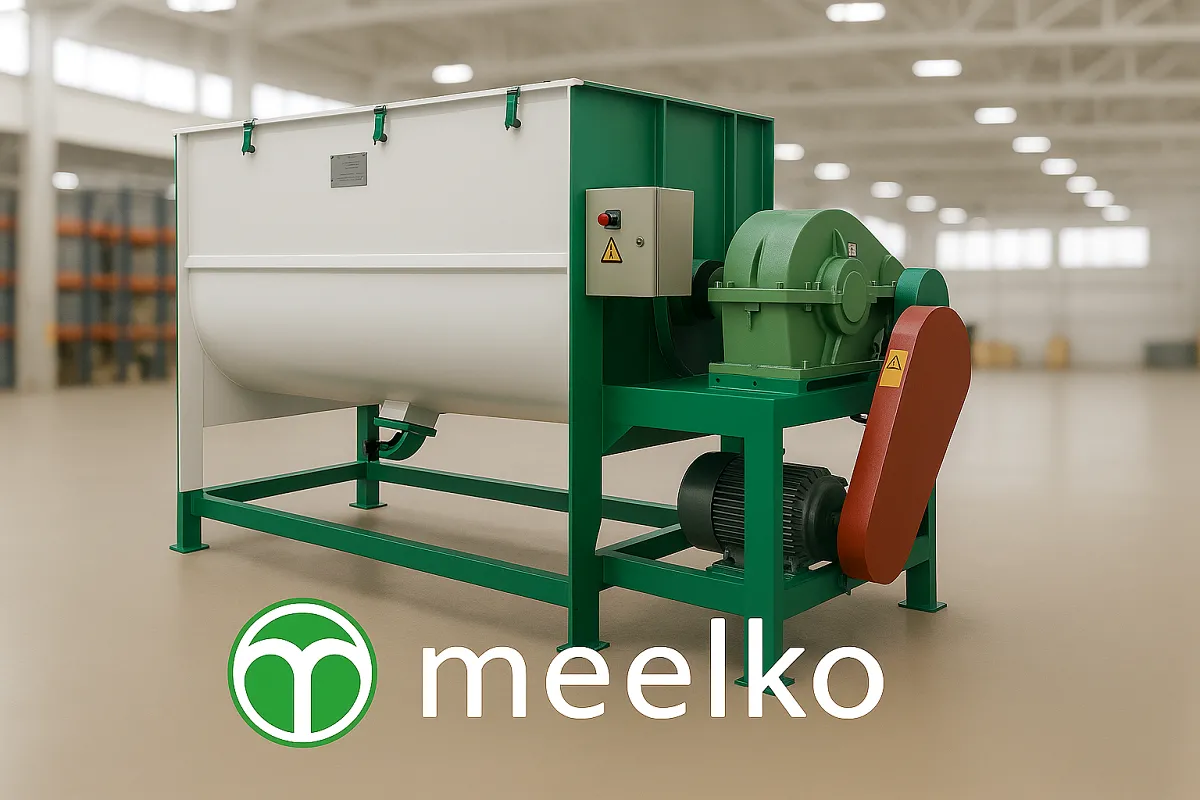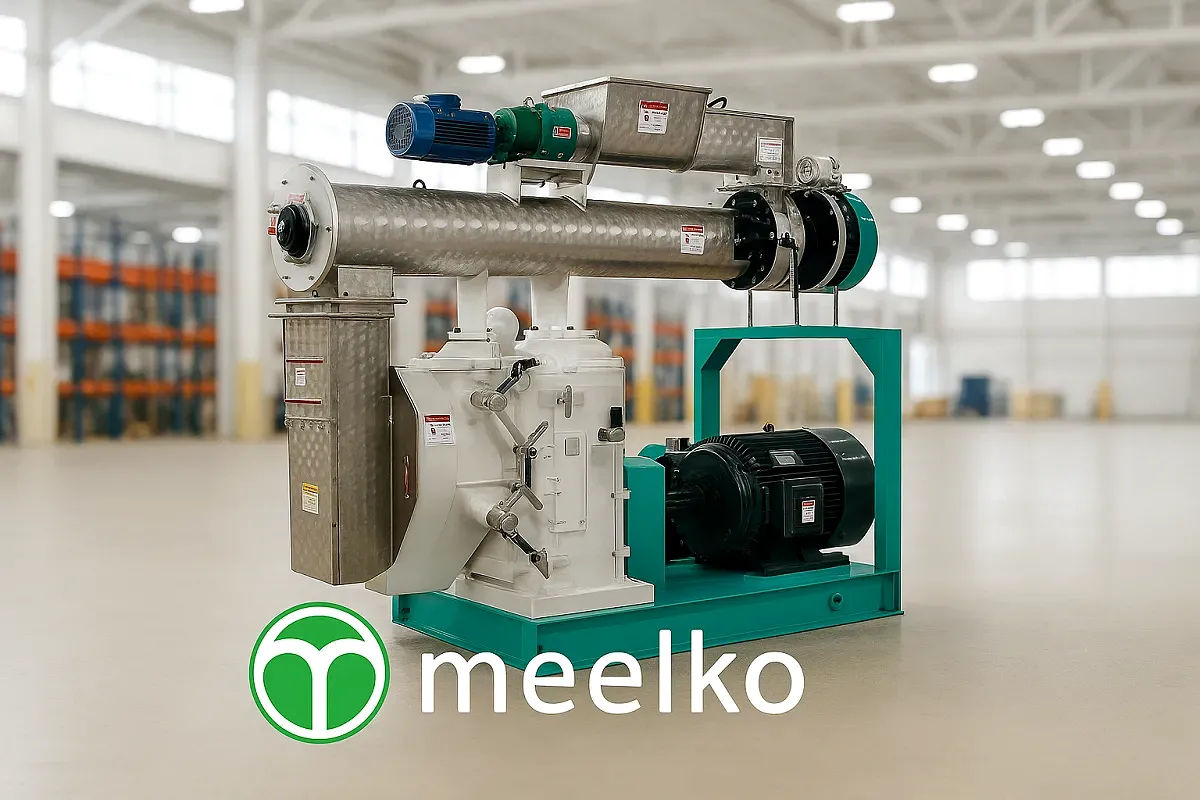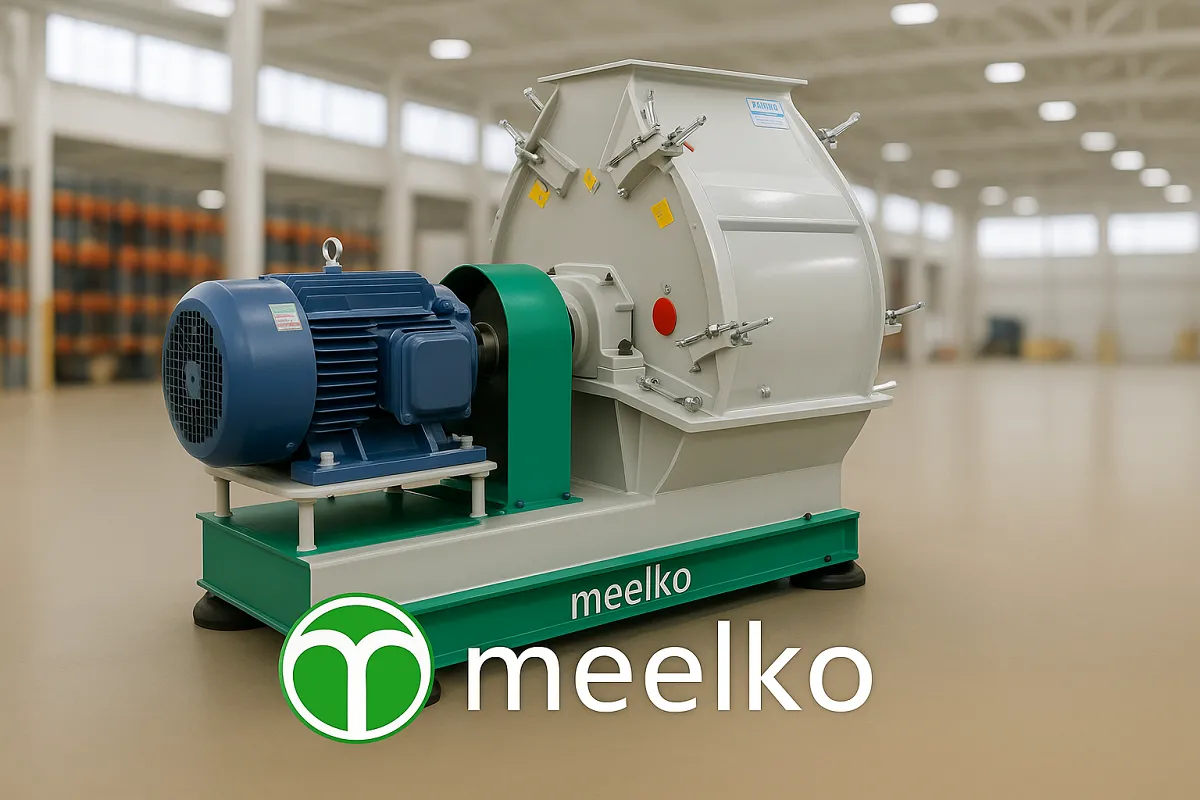
Short answer: buying the machines is halfway there. Next come assembly, commissioning and testing until you get the feed you want to sell. As a rough reference, these three stages add between 13% and 20% of the value of the machines: in a 500 kg/h plant, between USD 3,900 and USD 6,000. That is little money compared with what a plant that does not produce costs. Below is what happens at each stage.
Before the machines arrive
- Project and layout. Where each machine goes, how material flows, where trucks come in and where things are stored. A good layout saves conveying and staff for the life of the plant.
- Foundations and civil works. Vibrating machines need a suitable base, and elevators and silos need height and footings. These follow the supplier's drawings.
- Power ready. The connection and main panel should be sorted out before assembly. See panel, electrical installation and power.
- Raw material for testing. Without enough material you cannot test. Plan for it from the start.
Assembly
This is the stage that turns separate machines into a line. In Meelko's assembly and installation service it includes:
- Positioning, leveling and anchoring each machine.
- Checking alignments: poor assembly causes vibration, premature wear and extra consumption.
- Interconnecting equipment with conveyors, pipes, suction ducts and controls.
- Connecting each motor and sensor to the panels.
Commissioning
Switching on a machine is not the same as having a plant in production. Commissioning goes in steps:
- Checks. Assembly, connections, direction of rotation and safety devices.
- No-load tests. Each machine alone, then the whole line, to check interlocks and sensors.
- Progressive load tests. Material enters gradually until approaching design capacity.
- Production at nominal capacity with your raw material and your formula.
- Technical record. Parameters and measurements are documented as a reference for operation and maintenance.
The values for each machine depend on the formula, the ingredients and your plant's conditions. That is why they are set on site, by technicians who know the equipment.
Testing: reaching the final product
This is what many people skip. A machine can run perfectly and deliver a product nobody wants to buy. Testing measures:
- Real capacity, in kg/h, with your formula.
- Pellet durability and hardness: whether it reaches the feeder whole or turns to dust on the way.
- Fines: how much has to be reprocessed.
- Moisture and temperature leaving the cooler: these decide whether the product keeps or goes moldy in the bag.
- Size and appearance of each presentation.
- Energy use per ton, to know the real costs.
- Lab analysis of the feed, to confirm it matches the declared formula.
- The animals' response, which is the final test: acceptance, intake and results.
It is repeated for each formula you will sell. To record it from day one, we have ready-made sheets: pellet quality control and daily plant checklist.
You can test before buying
There is no need to wait for the plant. In Meelko's technical test service, you send a sample of your raw material and receive a report with capacity, quality, consumption and recommendations. This helps you choose the right equipment and shortens commissioning, since you start from real data. More on this in how to buy a machine from a distance without risk.
Training
A plant performs as well as its people. Operator training takes place at your site during commissioning, on your own machines: safe operation, start-up and shutdown, and preventive maintenance. If you want someone of your own to solve problems on site, there is also advanced training for local technicians.
What it costs
As a rough reference, based on the value of the machines:
- Mechanical assembly: 8 to 12%.
- Commissioning, testing and training: 5 to 8%.
It depends on the distance, the number of machines and how much your own staff does. Also budget for technicians' travel and lodging, and for the raw material used in the tests. The full budget is in what a feed plant takes and what it costs.
Mistakes that delay everything
- Scheduling the first sale for the day the machines arrive. Allow time to assemble, test and adjust.
- Assembling without drawings or supervision to save money. What you save is paid back in wear and downtime.
- Testing with a material other than the one you will use. The result is of no use to you.
- Leaving operators out of commissioning. It is the best training they will get.
Conclusion
The plant is finished when the product you want to sell comes out, not when the machine switches on. Meelko, an American brand of agro-industrial machinery, supports the project with services for testing, assembly, commissioning and training. Tell us what stage your project is at and we will tell you how to proceed.