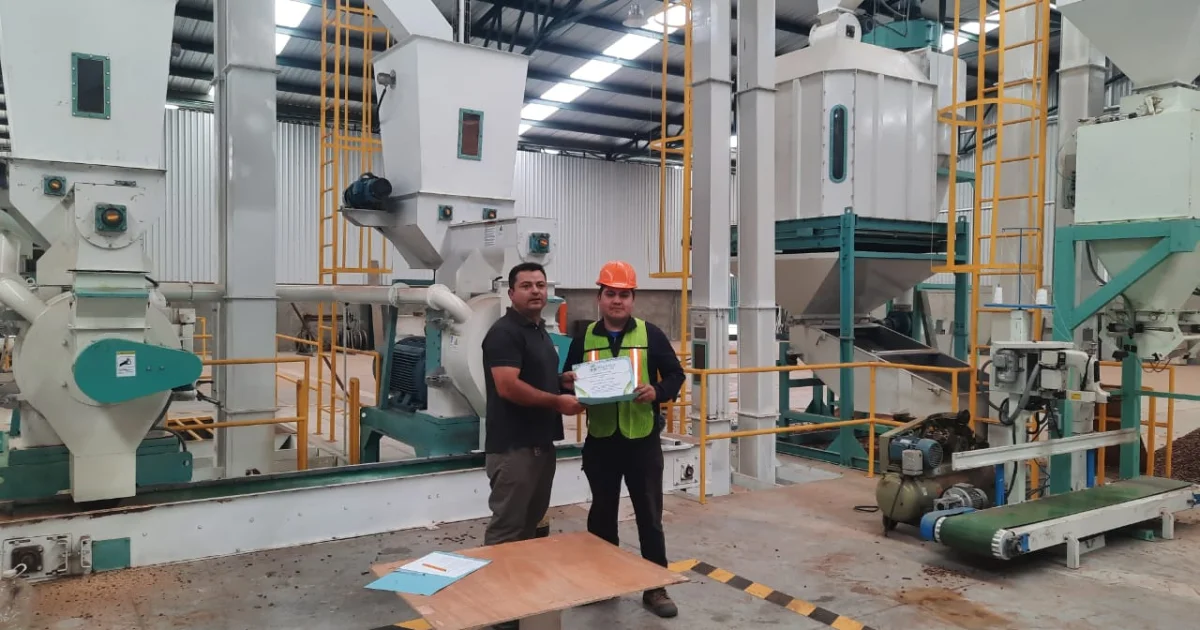
Why Technical Training Matters in Pellet Manufacturing
In the pellet manufacturing industry, the difference between a profitable operation and one that struggles often comes down to the skill level of its workforce. Studies indicate that companies investing in structured training programs see productivity improvements of 15% to 30% within the first year. Yet many businesses overlook this critical factor, focusing solely on equipment acquisition while neglecting the human element that drives day-to-day operations.
Whether you produce wood pellets for heating, animal feed pellets, or biomass pellets for energy, having a well-trained team ensures consistent product quality, reduces equipment downtime, and minimizes workplace accidents. In this article, we explore the types of training programs available, their benefits, and how to calculate the return on investment.
Types of Training Programs for Pellet Producers
1. Pellet Mill Operation Training
This foundational program covers the correct operation of pelletizing machines, including:
- Die and roller adjustment: Understanding compression ratios, die hole specifications (typically 6-12 mm for wood pellets, 2-8 mm for feed), and how to adjust gap settings for optimal pellet formation.
- Raw material preparation: Moisture content management (ideal range: 10-15% for wood, 14-18% for feed), particle size distribution, and conditioning parameters.
- Start-up and shutdown procedures: Proper sequences to avoid die blockages, which account for approximately 40% of unplanned downtime in pellet plants.
- Troubleshooting common issues: Identifying causes of crumbling pellets, excessive fines, uneven length, and abnormal energy consumption.
2. Preventive Maintenance Training
Equipment maintenance is where training delivers its most measurable ROI. A well-maintained pelletizer can operate for 8,000-10,000 hours before requiring major overhaul, while poorly maintained machines may need intervention every 2,000-3,000 hours.
- Daily inspections: Bearing temperature monitoring, lubrication checks, belt tension verification, and vibration analysis basics.
- Weekly routines: Die condition assessment, roller wear measurement, screen inspection in coolers and classifiers.
- Monthly protocols: Gearbox oil analysis, electrical connection tightening, safety device testing.
- Spare parts management: Identifying critical spares to keep in stock, including dies, rollers, bearings, and seals.
3. Quality Control Training
Pellet quality directly impacts market value. Training in quality control covers:
- Durability testing: Using tumbling cans or Holmen testers to measure pellet durability index (PDI), with commercial targets typically above 96.5%.
- Moisture analysis: Proper use of moisture meters and oven-drying methods to ensure finished pellets meet specifications (usually below 10% for wood pellets).
- Bulk density measurement: Ensuring pellets meet the 600-750 kg/m3 range required by most markets.
- Ash content analysis: Critical for premium wood pellets where ash must stay below 0.7% (ENplus A1 standard).
4. Industrial Safety Training
Pellet plants present specific hazards that require targeted safety training:
- Dust explosion prevention: Understanding the combustion pentagon, implementing proper housekeeping, and using explosion venting systems. Pellet plants handle combustible dust daily, and the risk is real - over 50 dust explosions occur in biomass facilities worldwide each year.
- Confined space protocols: Safe procedures for entering silos, bins, and large equipment for maintenance.
- Lockout/tagout procedures: Ensuring machines are properly de-energized before maintenance activities.
- Fire prevention: Hot bearing detection, proper storage of finished pellets, and emergency response planning.
Certifications and Standards
Several certifications add credibility and market access for pellet manufacturers:
- ENplus Certification: The leading quality certification for wood pellets in Europe, requiring documented training procedures for all production staff.
- ISO 17225: International standard for solid biofuels that defines quality classes and testing methods.
- GMP+ (Feed Safety): Required for animal feed pellet production in many markets, including mandatory staff competency requirements.
- OSHA/Safety Certifications: Industry-specific safety training certifications that reduce insurance costs by 10-20%.
Calculating the ROI of Training Investment
The return on investment for training programs is substantial and measurable:
- Reduced downtime: Trained operators experience 25-40% fewer unplanned stops. For a plant producing 2 tons/hour, each hour of downtime represents $150-300 in lost revenue.
- Lower maintenance costs: Preventive maintenance reduces repair costs by an average of 30-50% compared to reactive maintenance.
- Improved yield: Trained operators typically achieve 3-5% higher conversion rates from raw material to finished pellets.
- Reduced accidents: Each workplace injury costs an average of $40,000-60,000 in direct and indirect costs. Companies with active training programs report 60-70% fewer incidents.
- Lower staff turnover: Employees who receive professional development stay 30% longer on average, reducing recruitment and onboarding costs.
A typical comprehensive training program costs between $2,000 and $5,000 per employee, but delivers returns of 3-5x within 12-18 months.
How to Implement a Training Program
- Assess current skill levels: Evaluate your team's existing knowledge through practical tests and observation.
- Define training objectives: Set specific, measurable goals tied to production KPIs.
- Choose delivery methods: Combine on-site hands-on training with classroom theory and online modules.
- Schedule without disrupting production: Plan training during scheduled maintenance windows or in shifts.
- Measure and follow up: Track KPIs before and after training, and schedule refresher sessions every 6-12 months.
Conclusion
Investing in training for your pellet manufacturing team is not an expense - it's one of the highest-return investments you can make. From reducing downtime and maintenance costs to improving product quality and workplace safety, the benefits compound over time. Meelko not only provides high-performance pelletizing equipment but also supports customers with technical guidance to ensure their operations run at peak efficiency. Contact us to learn how our solutions can help your business grow.