Short answer: Meelko's three small extruders cost between USD 7,056 and USD 8,297 and produce from 30 to 150 kg/h. For USD 1,241 more than the entry model, the largest yields almost four times as much: so if you have three-phase power and a market, buying the smallest rarely makes sense. Below is what each produces per month, what it consumes and what else you need.
The three models
They are the same machine for dogs, cats and fish: the die and the formula change.
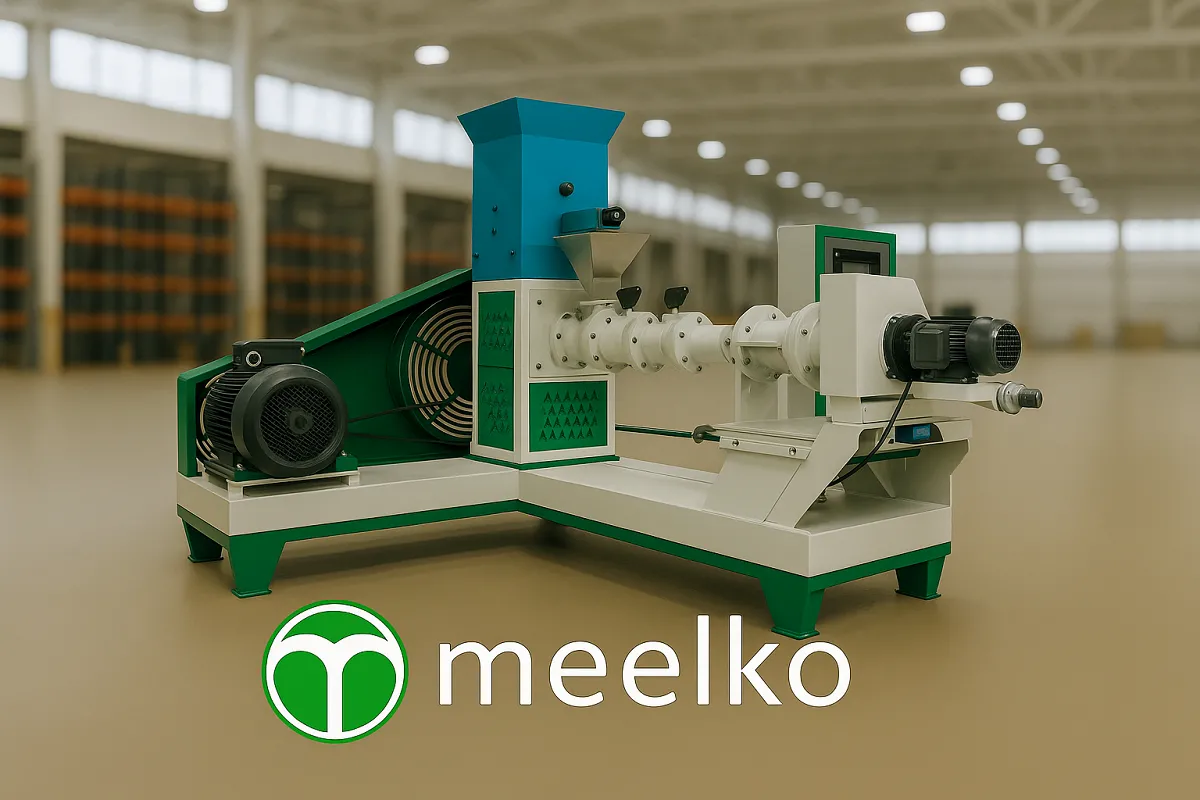
- MKED040C: 30 to 40 kg/h, 5.5 kW. USD 7,056. Product pages: dogs, cats, fish.
- MKED050C: 60 to 80 kg/h, 11 kW. USD 7,733. Product pages: dogs, cats, fish.
- MKED060C: 120 to 150 kg/h, 15 kW. USD 8,297. Product pages: dogs, cats, fish.
If you are looking for a "50 kg/h extruder", the one that covers that output with margin is the MKED050C; for a "100 kg/h" one, the MKED060C.
The math: what each kilo of capacity costs
With each model's average capacity and 176 hours per month (22 days of 8 hours):
- MKED040C: 5 to 7 tons per month. USD 202 per kg/h of capacity. About 157 kWh per ton.
- MKED050C: 11 to 14 tons per month. USD 110 per kg/h. About 157 kWh per ton.
- MKED060C: 21 to 26 tons per month. USD 61 per kg/h. About 111 kWh per ton.
At USD 0.12 per kWh, extruder energy costs about USD 19 per ton on the first two and USD 13 on the third. The MKED060C costs less in machine and in energy for each ton. If your initial sales are small, it simply runs fewer hours: there is no need to keep it busy all day.
So when does the smallest make sense?
- When power is the limit. 5.5 kW is much easier to get than 15 kW. If your site's connection is limited, power decides before price.
- For testing formulas or making small, varied batches with many product changes.
- When the whole line has to be small. The larger the extruder, the larger the drying and the other stages. Look at it as a whole: the extruder is one part of the investment.
What else you need
The extruder does not work alone. A hammer mill and a mixer go before it; drying, cooling, coating and packaging go after. At these capacities, the main line can be:
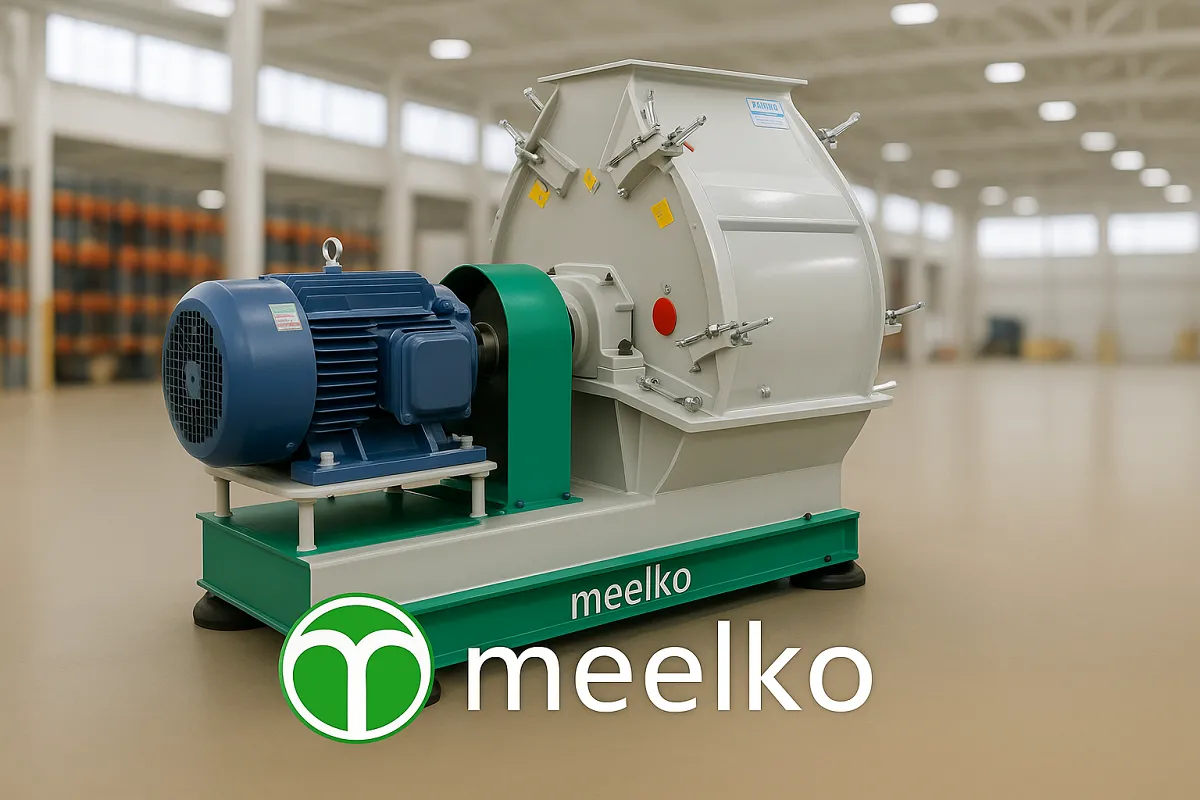
- MKH198B hammer mill (300 to 400 kg/h): USD 2,237.
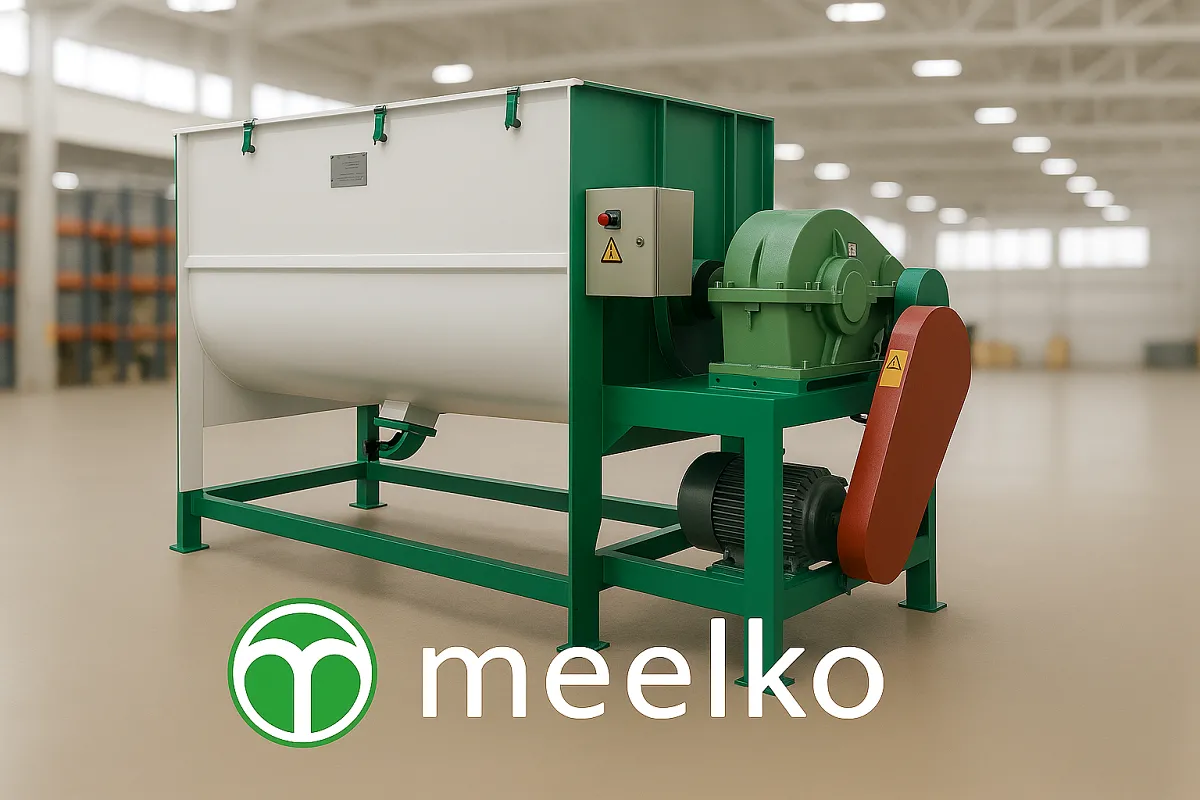
- 150 kg/h mixer: USD 3,686.
- MKED060C extruder: USD 8,297.
- Total for the main equipment: about USD 14,220, without drying or packaging.
For the full calculation, use the extrusion line sizing tool and the pet food plant profitability calculator. The math by scale is in a kibble factory from scratch, and the fish case in fish feed machine.
When it falls short
The next step is the MKEW060B (160 to 180 kg/h, USD 10,490) or the MKED070B (180 to 200 kg/h, 18.5 kW, USD 11,148). If you already expect to exceed 30 tons per month, compare them from the start: the difference from the MKED060C is under USD 3,000.
Conclusion
With small extruders, the price barely changes and the capacity does. Before choosing the cheapest, look at what each kilo per hour costs and what power you have available. Meelko, an American brand of agro-industrial machinery, offers extruders from 30 kg/h to 4 t/h. Tell us what you want to produce, for which animals and with what electrical connection, and we will tell you which one fits.