Why Liquid Fertilizers Are Gaining Ground
The global liquid fertilizer market was valued at over USD 3.6 billion in 2024 and is projected to grow at a compound annual rate of 4.2 % through 2032. This growth is driven by the agronomic advantages liquid formulations offer: faster nutrient uptake, uniform field application, and the ability to blend micro and macronutrients in a single pass. For entrepreneurs and agribusinesses evaluating a new production line, understanding the equipment behind a liquid fertilizer plant is the first step toward a profitable operation.
Types of Liquid Fertilizers You Can Produce
Clear Solutions
Clear solutions are fully dissolved fertilizers—typically nitrogen–phosphorus–potassium (NPK) blends—where every nutrient stays in ionic form. Common grades include 10-34-0 (ammonium polyphosphate) and 28-0-0 (UAN). Because no solids are present, these products require less agitation and pass through standard drip-irrigation systems without clogging.
Suspension Fertilizers
Suspensions carry higher nutrient loads—often 30 % more than clear solutions—by holding fine solid particles (1–5 µm) in a gel-like matrix stabilised with attapulgite clay at 1–2 % w/v. They demand continuous or periodic agitation to prevent settling.
UAN Solutions (Urea–Ammonium Nitrate)
UAN is the most widely used liquid nitrogen fertilizer worldwide, available in concentrations of 28 %, 30 %, and 32 % N. Production involves dissolving urea and ammonium nitrate in water at controlled temperatures between 30 °C and 50 °C.
Core Equipment for a Liquid Fertilizer Plant
Mixing Tanks
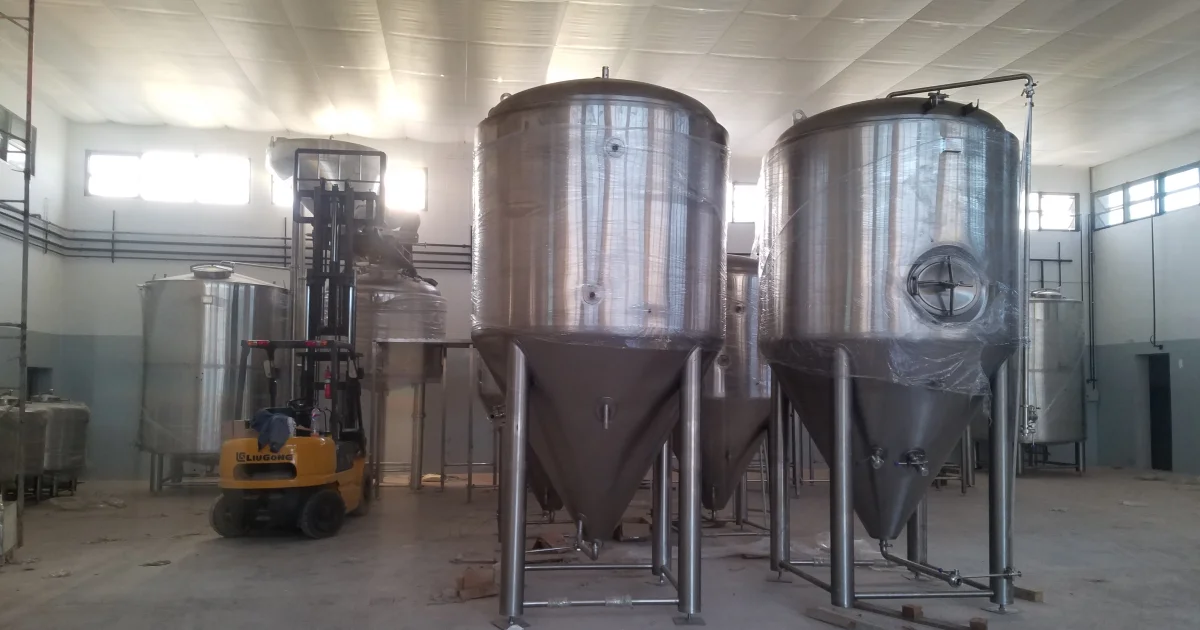
The heart of the plant. Tanks are typically fabricated from 304 or 316L stainless steel or lined carbon steel, with capacities ranging from 2,000 to 30,000 litres. For corrosive phosphoric-acid based blends, fibreglass-reinforced plastic (FRP) tanks offer a cost-effective alternative.
Agitators and Recirculation Systems
Top-entry agitators operating at 60–120 RPM ensure homogeneous blending. For suspension fertilizers, a high-shear mixer at 1,500–3,000 RPM may be added to disperse clay and micro-particles. External recirculation loops using centrifugal pumps at 15–40 m³/h complement mechanical agitation in larger batches.
Dosing and Metering Systems
Gravimetric or volumetric dosing units control the addition of raw materials with an accuracy of ±0.5 %. Automated PLC-based systems with flow meters and load cells reduce human error and speed batch times by up to 35 %.
Pumps
Centrifugal pumps handle clear solutions, while progressive-cavity or diaphragm pumps are preferred for abrasive suspensions. Flow rates typically range from 5 to 80 m³/h depending on plant capacity.
Filtration Units
Bag or cartridge filters with mesh sizes of 50–200 µm remove undissolved particles before packaging. For high-purity fertigation products, a secondary 10 µm polishing filter is recommended.
Packaging and Filling Lines
Semi-automatic or fully automatic filling machines handle containers from 1 litre jugs to 1,000 litre IBCs. A typical line with capping, labelling, and palletising can achieve 600–1,200 containers per hour for 20 L jerrycans.
Plant Layout and Design Considerations
An efficient layout minimises pipe runs and separates raw-material storage, production, quality-control labs, and finished-goods warehousing. A medium-capacity plant producing 50–100 tonnes per day generally requires 800–1,500 m² of covered floor space plus an outdoor tank farm. Key design points include:
- Containment bunds sized to hold 110 % of the largest tank volume.
- Ventilation systems rated for 6–10 air changes per hour in mixing areas.
- Anti-corrosion coatings on floors and drainage towards a neutralisation pit.
- Clearly defined hazardous-material zones compliant with local regulations.
Quality Control and Regulatory Compliance
Every batch should be tested for density (1.15–1.45 g/cm³ for NPK solutions), pH (5.5–7.0), nutrient concentration, and crystal point. Many countries require registration of fertilizer grades and periodic third-party lab audits. In the EU, Regulation (EU) 2019/1009 governs CE-marked fertilising products, while in the Americas national agencies set their own standards.
Liquid vs. Granular Fertilizers: A Quick Comparison
- Uniformity: Liquids deliver nutrients evenly across the field; granules may segregate.
- Starter application: Liquids can be applied in-furrow at planting with precision of ±2 % per nozzle.
- Storage: Liquids need tanks and spill containment; granules need dry, ventilated silos.
- Transport cost: Liquids carry 40–60 % water, increasing freight per nutrient unit.
Market Opportunities
Precision agriculture, fertigation, and hydroponic systems are expanding demand for liquid fertilizers at double the rate of traditional granulars. Regions with intensive horticulture—Mexico, Spain, Turkey, India—represent high-growth markets. Specialty blends with chelated micronutrients, biostimulants, or humic acids command premiums of 20–40 % over commodity grades.
Partner with Meelko for Your Plant
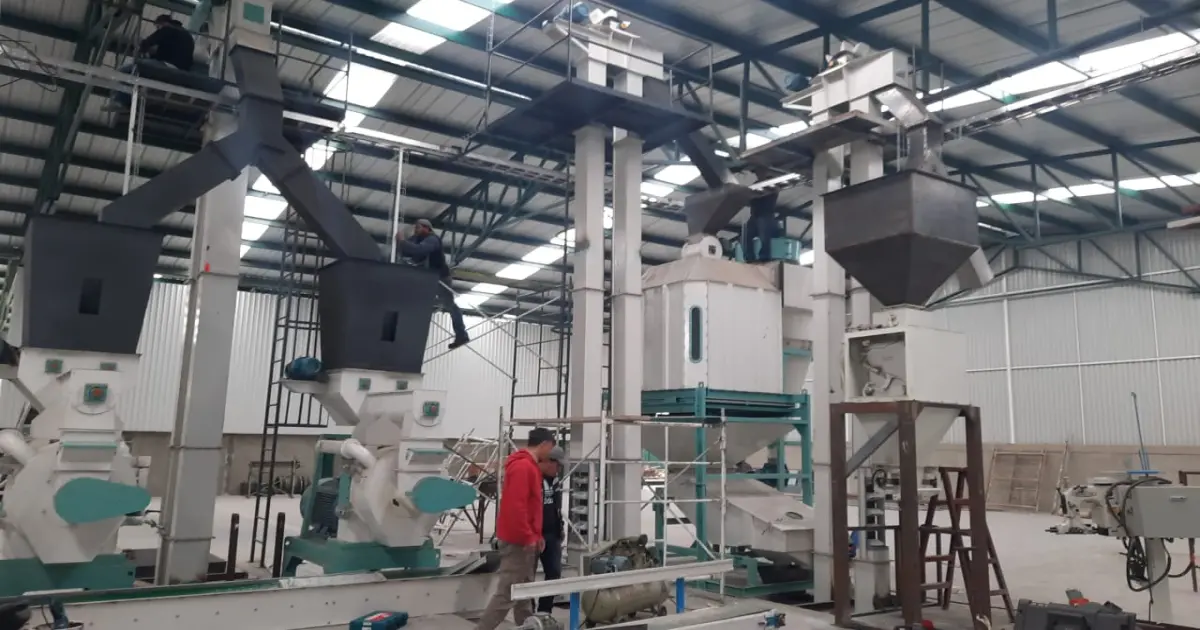
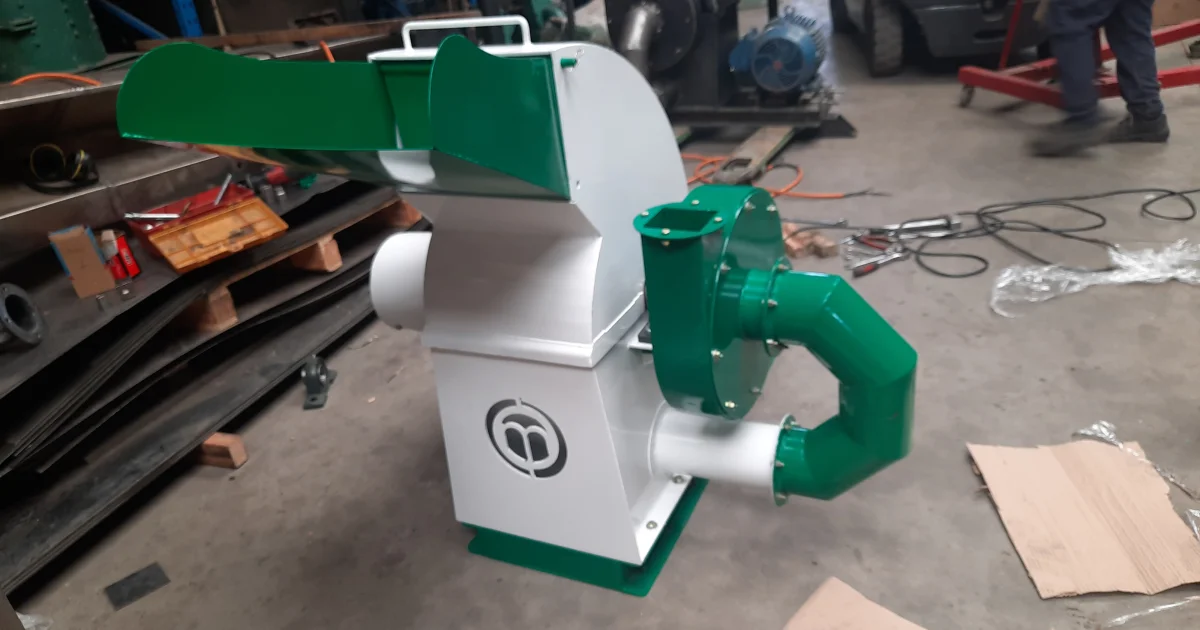
At Meelko, we supply mixing tanks, agitators, dosing equipment, and complete processing lines engineered for liquid fertilizer production. Our technical team assists with plant design, equipment sizing, and commissioning so you can move from concept to first batch with confidence. Contact Meelko today to request a customised proposal for your liquid fertilizer project.