The Circular Economy Revolution
The traditional linear economy of "take, make, dispose" is rapidly giving way to circular models where waste becomes a resource. Industrial machinery plays a central role in this transformation, enabling businesses to convert waste streams into valuable products while reducing environmental impact and creating new revenue sources.
Plastic Recycling: From Waste to Pellets
The Recycling Process
Plastic recycling involves several stages, each requiring specialized machinery:
- Collection and Sorting: Plastics are separated by type (PET, HDPE, PP, LDPE)
- Shredding: Industrial shredders reduce plastic waste to small, uniform flakes
- Washing: Contaminants, labels, and adhesives are removed
- Drying: Moisture is reduced to below 1% for optimal processing
- Extrusion/Pelletizing: Clean flakes are melted and formed into uniform pellets
- Quality Control: Pellets are tested for consistency, color, and mechanical properties
Key Equipment
Plastic pelletizers are the heart of any recycling operation. These machines melt plastic flakes and extrude them through a die, producing uniform pellets that can be directly used in injection molding, blow molding, or film production. Modern plastic pelletizers handle 200-2,000 kg/hour with automatic temperature control and filtration systems.
Biomass Recovery
Agricultural and forestry residues represent an enormous untapped resource. The right machinery transforms these materials into:
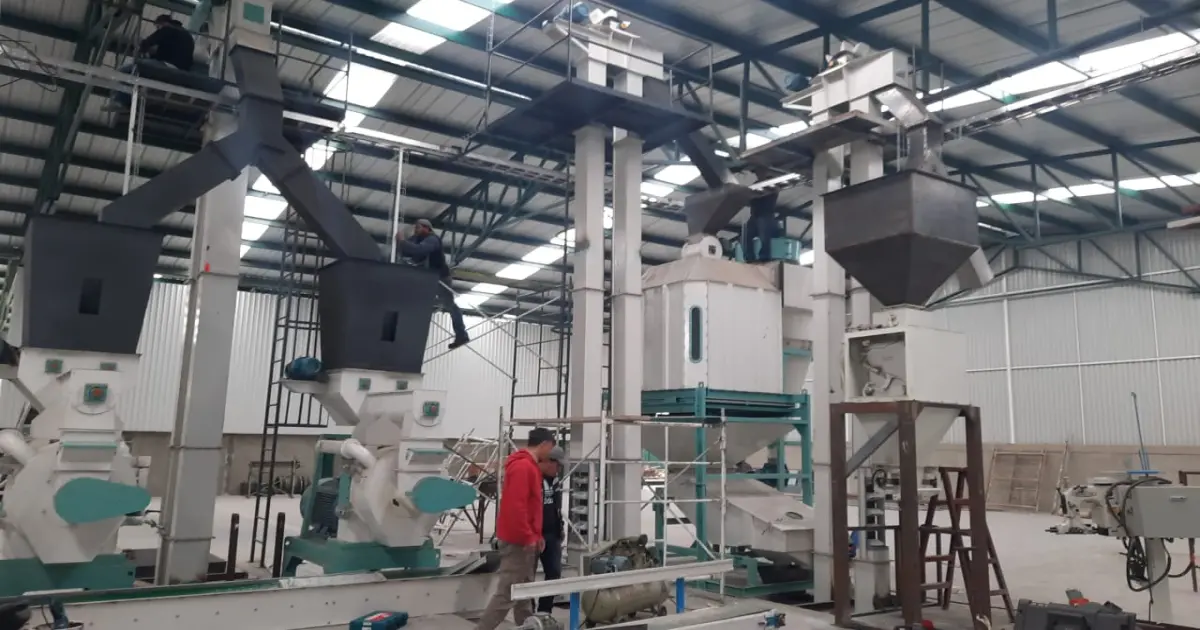
- Wood pellets: For heating and energy generation (pellet mills)
- Briquettes: Dense fuel blocks from sawdust, husks, and stalks (briquette presses)
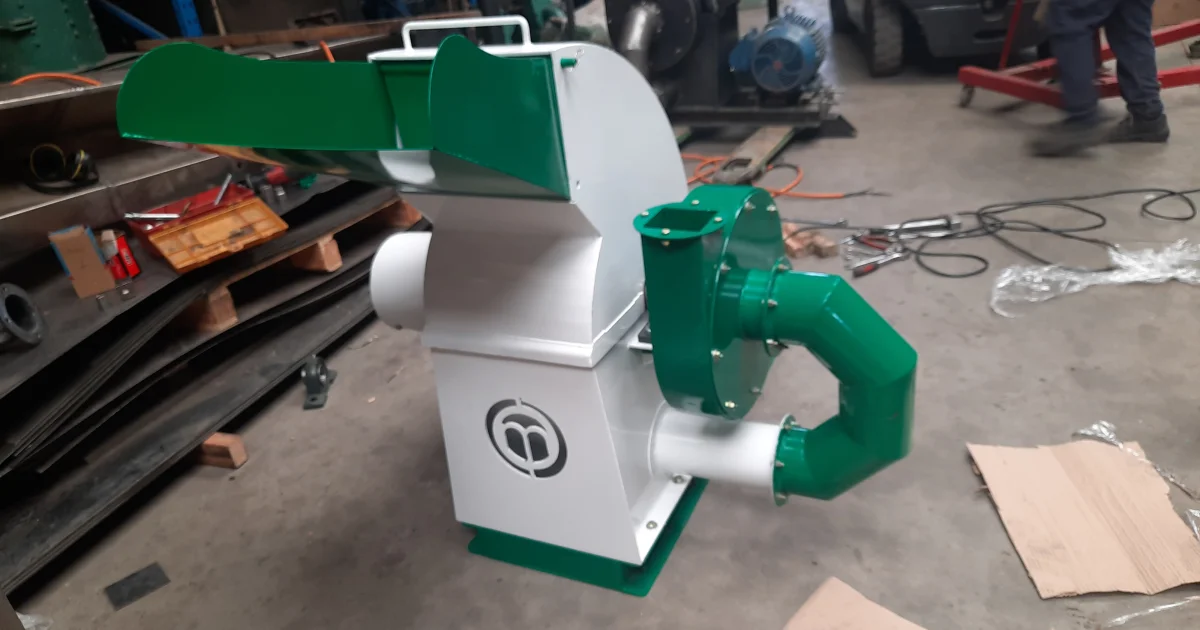
- Animal bedding: From processed wood waste (hammer mills + pelletizers)
- Compost: From organic waste processing (shredders + mixers)
- Biochar: For soil improvement (pyrolysis systems)
Metal and Electronic Waste
Specialized shredders and separators process end-of-life electronics and metal scrap. These systems can recover valuable copper, aluminum, steel, and precious metals from complex waste streams.
The Business Case for Recycling Machinery
Revenue Streams
- Recycled plastic pellets sell for 40-70% of virgin material prices
- Wood pellets for energy command premium prices in European markets
- Processed metal scrap has consistent demand from foundries and mills
- Carbon credits may be available for waste diversion programs
Cost Savings
- Reduced landfill disposal fees (which are increasing globally)
- Lower raw material costs when recycling in-house
- Decreased transportation costs for waste removal
- Tax incentives and green financing options in many jurisdictions
Choosing the Right Recycling Equipment
Key factors when selecting recycling machinery include:
- Waste type and volume: Match equipment capacity to your waste stream
- Output quality requirements: Higher quality output requires more processing stages
- Contamination levels: Dirtier input material needs more robust washing and filtering
- Space and infrastructure: Consider power requirements, ventilation, and floor space
- Regulatory compliance: Ensure equipment meets local environmental standards
Conclusion
The circular economy is not just an environmental imperative—it's a business opportunity. Meelko provides the complete range of industrial machinery needed to transform waste into value: shredders, pelletizers, extruders, briquette presses, and hammer mills. Contact our team to design a recycling solution tailored to your specific waste streams and business goals.