Why Choosing the Right Pellet Mill Matters
Investing in a pellet mill is a significant decision that can determine the profitability of your operation. Whether you're producing animal feed, wood pellets for biomass energy, or recycled plastic pellets, selecting the right machine ensures optimal output, lower operating costs, and consistent pellet quality.
Types of Pellet Mills
Flat Die Pellet Mills
Flat die pellet mills are ideal for small to medium-scale operations. They feature a simple design with a flat die and rollers that compress raw material through the die holes. These machines are perfect for:
- Small farms producing their own animal feed
- Startups testing pellet production viability
- Laboratories and R&D departments
- Production volumes up to 500 kg/hour
Ring Die Pellet Mills
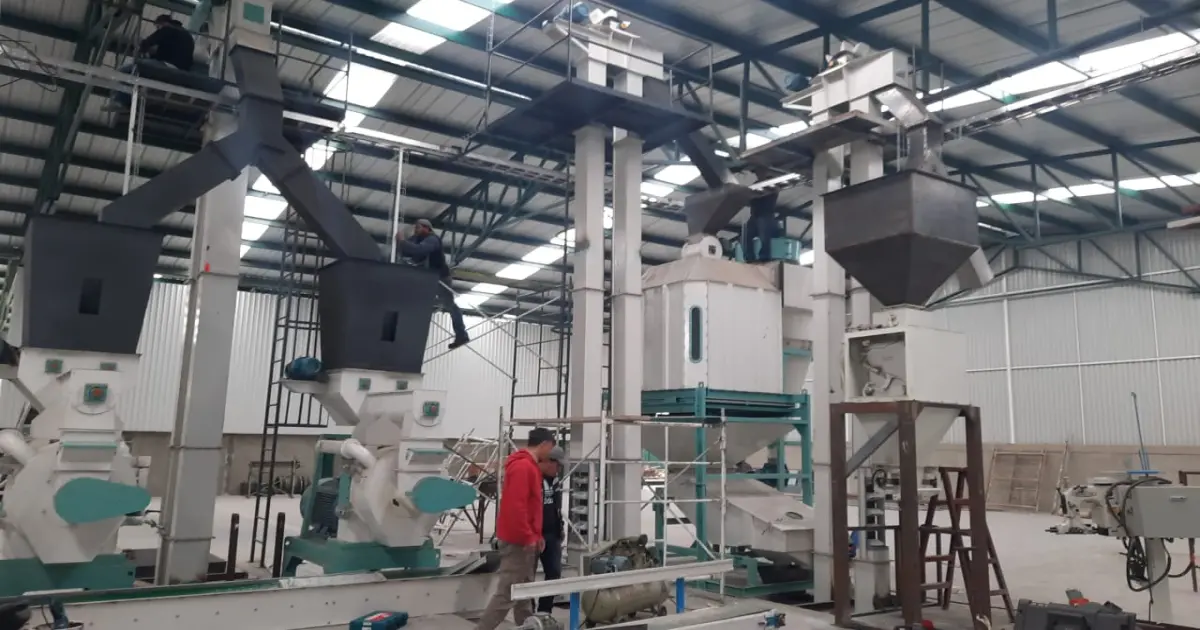
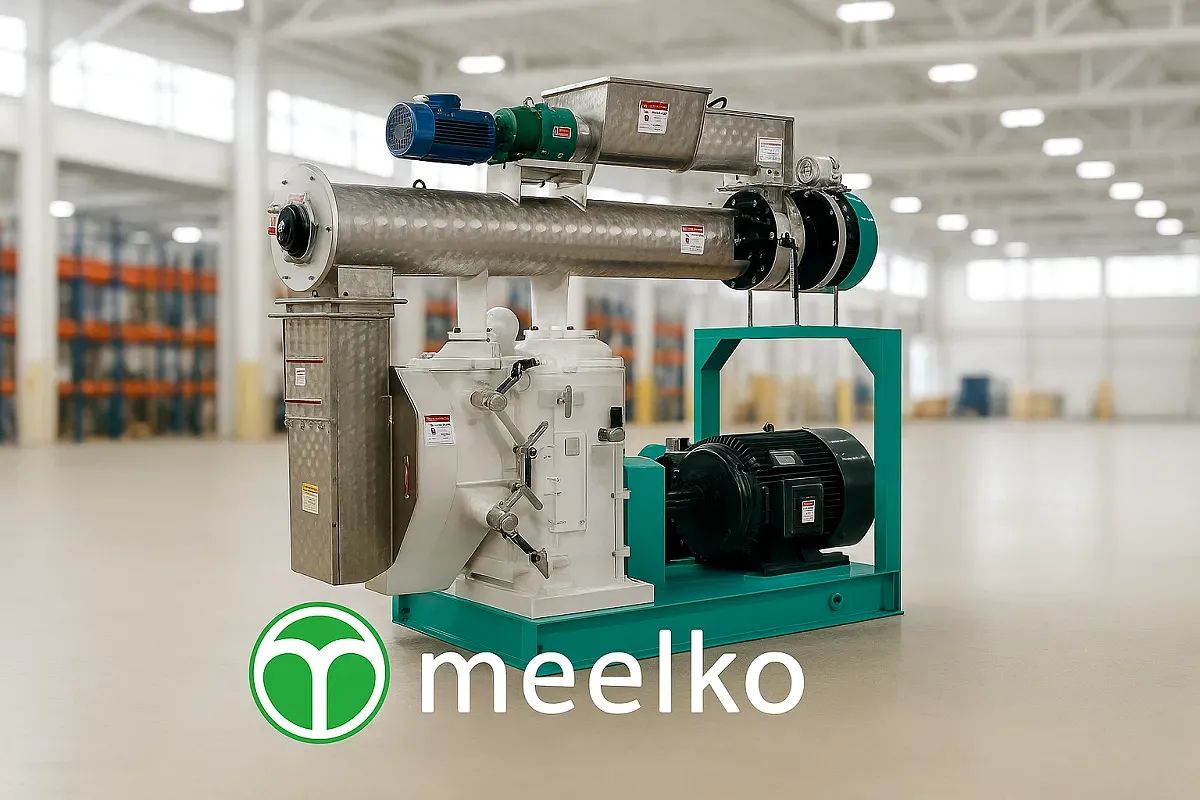
Ring die pellet mills are designed for large-scale industrial production. The cylindrical die rotates while internal rollers press the material outward. Key advantages include:
- Higher production capacity (1-20+ tons/hour)
- Better pellet density and uniformity
- Lower energy consumption per ton produced
- Continuous 24/7 operation capability
Key Factors to Consider
1. Raw Material
The type of raw material you plan to process directly impacts which pellet mill you need. Wood requires higher compression ratios than animal feed ingredients. Moisture content, particle size, and material density all affect machine selection.
2. Production Capacity
Calculate your required output in tons per hour. Consider not just current demand but projected growth over the next 3-5 years. Undersizing your equipment leads to bottlenecks, while oversizing wastes capital.
3. Pellet Size and Quality
Different applications require different pellet diameters (typically 2-12mm). Animal feed pellets need precise nutritional consistency, while biomass pellets must meet specific density and moisture standards for efficient combustion.
4. Energy Efficiency
Modern pellet mills consume between 15-100 kWh per ton depending on the model and material. Look for machines with variable frequency drives (VFD) and optimized die designs that reduce energy costs significantly.
Maintenance Considerations
A pellet mill is only as good as its maintenance program. Key components that require regular attention include:
- Dies: Replace every 800-2,000 hours depending on material abrasiveness
- Rollers: Inspect and resurface regularly for consistent pressure
- Bearings: Lubricate according to manufacturer specifications
- Conditioner: Clean steam injection ports to prevent blockages
Conclusion
Choosing the right pellet mill requires balancing production needs, material characteristics, budget constraints, and long-term growth plans. At Meelko, we offer a complete range of pellet mills from domestic units to full industrial production lines, with expert guidance to help you make the best decision for your business.