What Is Food Extrusion?
Food extrusion is a high-temperature, short-time (HTST) cooking process that combines heat, moisture, and mechanical shear to transform raw ingredients into finished food products. The raw material is forced through a specially designed die under controlled conditions of temperature, pressure, and moisture to create products with specific shapes, textures, and nutritional profiles.
How Food Extruders Work
The extrusion process involves several stages:
- Feeding: Raw materials (flour, starch, protein) are metered into the extruder barrel
- Conveying: The rotating screw(s) push material forward through the barrel
- Mixing: Ingredients are thoroughly blended under increasing pressure
- Cooking: Friction and external heating cook the material at 100-180°C
- Shaping: The cooked mass is forced through the die to create the final shape
- Cutting: A rotating knife cuts the extrudate to desired length
Types of Food Extruders
Single-Screw Extruders
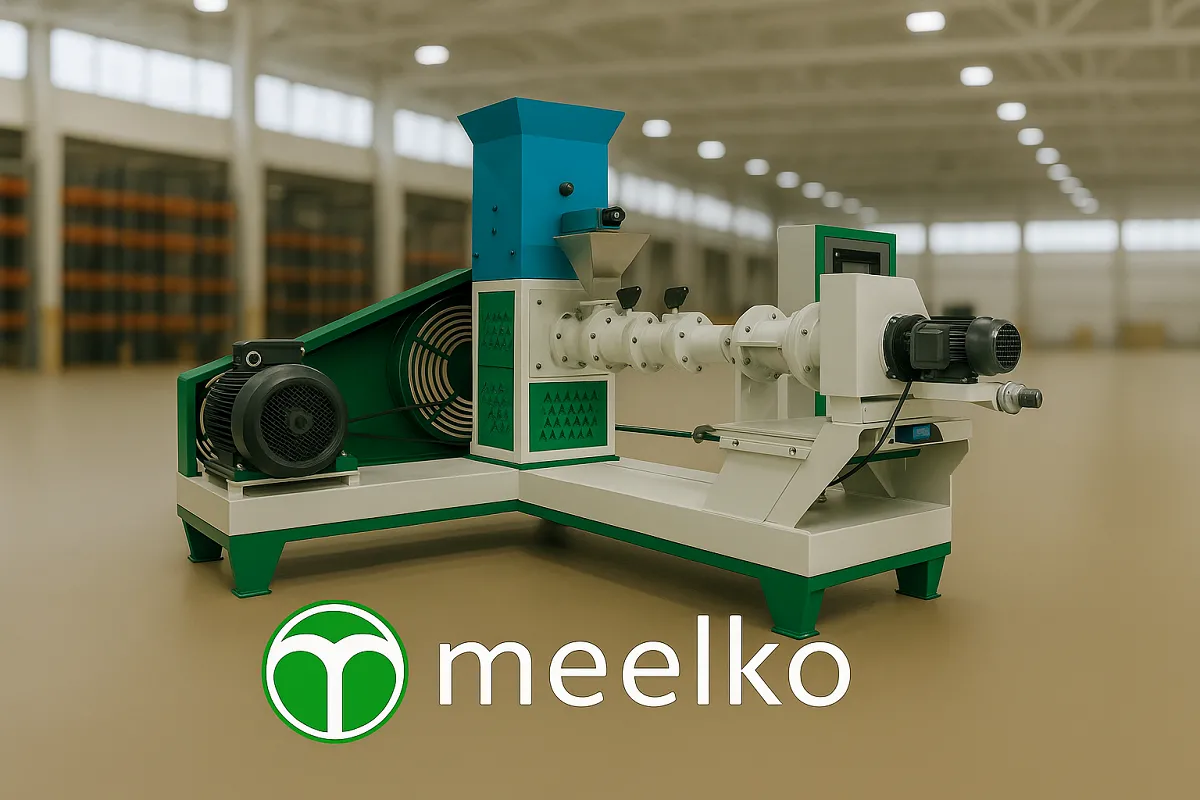
Single-screw extruders are the workhorses of the food industry. With one rotating screw inside a barrel, they offer simplicity, reliability, and lower cost. Ideal for:
- Expanded snacks (corn puffs, cheese balls)
- Breakfast cereals
- Pet food and animal feed
- Pasta and noodles
- Direct expanded products
Twin-Screw Extruders
Twin-screw extruders feature two intermeshing screws that provide superior mixing, better process control, and the ability to handle a wider range of raw materials. Applications include:
- Textured vegetable protein (TVP)
- High-moisture meat analogues
- Baby food and infant formula
- Confectionery products
- Modified starches and specialty ingredients
Key Applications
Pet Food Production
Extrusion is the dominant technology for producing dry pet food. The process simultaneously cooks, sterilizes, and shapes the product. Typical pet food extruders produce 1-10 tons per hour of kibble with precise control over shape, density, and palatability.
Aquaculture Feed
Floating and sinking fish feed are produced by controlling expansion during extrusion. The process ensures proper nutrient binding and water stability essential for aquaculture operations.
Plant-Based Proteins
The growing demand for plant-based meat alternatives has made extrusion technology more important than ever. High-moisture extrusion creates fibrous, meat-like textures from soy, pea, and wheat proteins.
Advantages of Extrusion
- Versatility: One machine can produce hundreds of different products by changing dies and formulations
- Efficiency: Continuous process with throughput of 100-10,000+ kg/hour
- Food safety: High temperatures eliminate pathogens and reduce moisture for shelf stability
- Nutrition: Short processing time preserves vitamins and proteins better than conventional cooking
- Waste reduction: Nearly 100% of input material becomes finished product
Conclusion
Food extrusion technology continues to evolve, enabling manufacturers to create innovative products that meet growing consumer demands. Meelko offers a complete range of food extruders, from compact single-screw units to high-capacity twin-screw systems, with application engineering support for your specific product development needs.