Short answer: for corn flour for human consumption, a dry-grain roller mill does the job, from about USD 5,300. For rice flour there are two steps: first hull and polish (rice mill, USD 1,693), then grind. And if the corn is for animals, a hammer mill is enough, from USD 1,338. Below is how to choose based on what you want to sell.
Three mills for three products
- Roller mill: opens and grinds the grain progressively and separates the flour from coarser material. It gives an even flour for human consumption.
- Rice mill: despite the name, it does not make flour. It cleans, hulls and polishes: it delivers white rice.
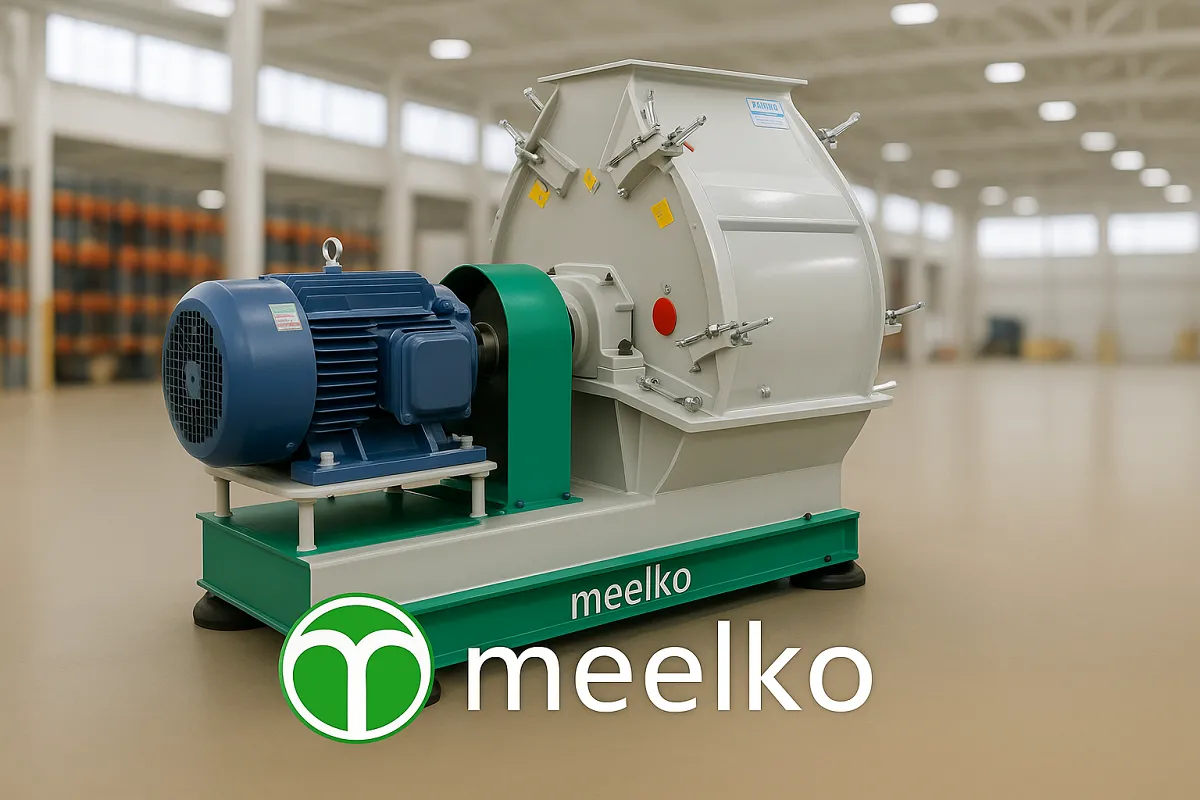
- Hammer mill: strikes the grain until it is powdered. It is fast and cheap, and suits balanced feed or simple whole-grain flour. See hammer vs roller mill.
Corn flour: which model
These roller mills process wheat, corn and rice:
- MKFMA-28M: 100 to 150 kg/h, 5.5 kW. USD 5,322.
- Mill up to 350 kg/h: 7.5 kW. USD 5,306.
- Mill up to 400 kg/h: 11 kW three-phase. USD 6,435.
- 450 kg/h complete kit: 12.5 kW. USD 6,854.
If the product is for human food and needs stainless steel surfaces, the MKCF450 (100 to 200 kg/h, 11 kW, USD 21,381) is a hammer mill for that use. Talk to us before deciding: it changes the rest of the line.
The math
- 1 ton of corn a day, in 8 hours: 125 kg/h. The MKFMA-28M does it at the limit of its range; the 350 kg/h mill does it in under 3 hours. Over 22 days, that is 22 tons a month.
- 3 tons a day: 375 kg/h. The 400 kg/h mill is just enough; the 450 kg/h kit gives a little more margin.
Those are tons of grain, not flour: corn yields less fine flour than its weight in grain, because germ and bran come off. The yield depends on the grain and how fine you want the flour. If you want it to keep longer, bear in mind that the germ contains oil and products with germ go rancid sooner.
Rice flour: the two steps
Starting from paddy rice, you need:
- The rice mill (220 to 280 kg/h, USD 1,693), which hulls and polishes.
- A roller mill, such as the MKFMA-28M (USD 5,322), which turns the rice into flour.
Total: about USD 7,015. If you already buy polished or broken rice, which is usually cheaper, you can go straight to the second step. Rice flour has its own market in gluten-free products, baked goods and baby food.
What these mills do not do
- Nixtamalized corn dough. For traditional tortillas and arepas, corn is cooked and ground wet. That is another process: these mills work with dry grain.
- Commercial-grade semolina or polenta. Selling a defined particle size takes a more complete separation system. Ask us which line applies.
- Wet grain. It cakes and lowers the yield. With freshly harvested grain, dry it first.
If you also process wheat
Since the machines are the same, you can run wheat, corn and rice on the same mill and change grain with a cleaning between batches. See the full math for wheat in wheat flour mill.
Conclusion
Start by defining what product you will sell and to whom: that tells you whether you need rollers, hammers or the two rice steps. Meelko, an American brand of agro-industrial machinery, offers flour mills and hammer mills. Tell us what grain you have, how many tons a day you want to grind and for what market, and we will recommend the model.