The Importance of Grinding in Industrial Processing
Grinding is one of the most fundamental operations in manufacturing and agriculture. From reducing grain to flour for food production to processing minerals for construction, industrial mills are essential equipment across dozens of industries. The right grinding solution can improve product quality, reduce energy costs, and increase throughput.
Types of Industrial Mills
Hammer Mills
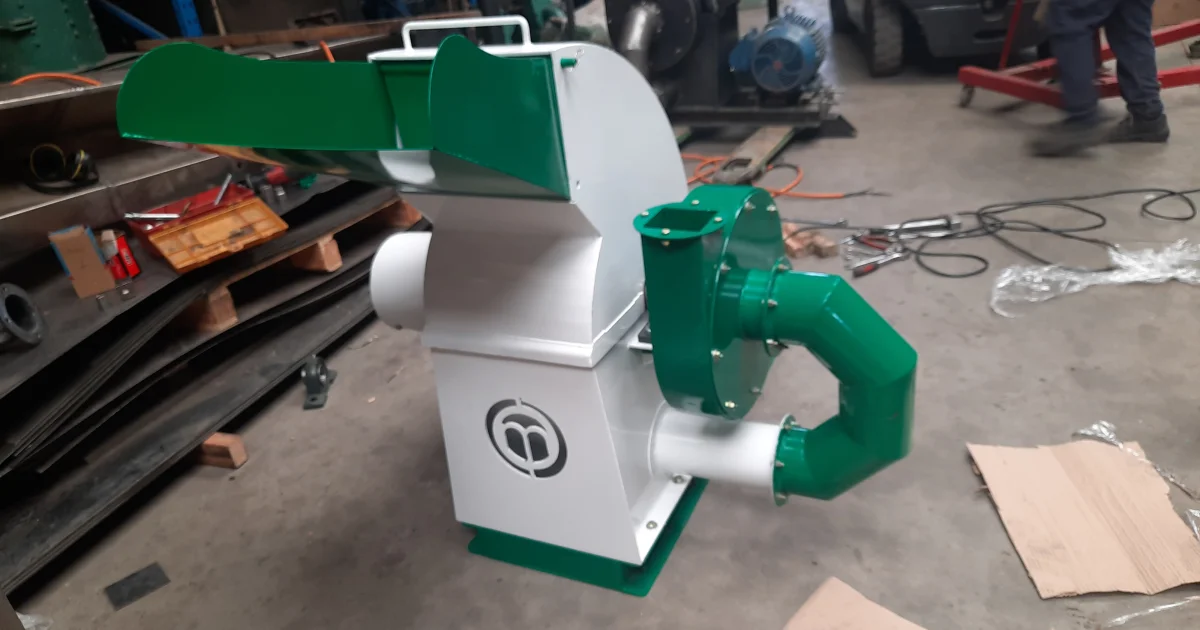
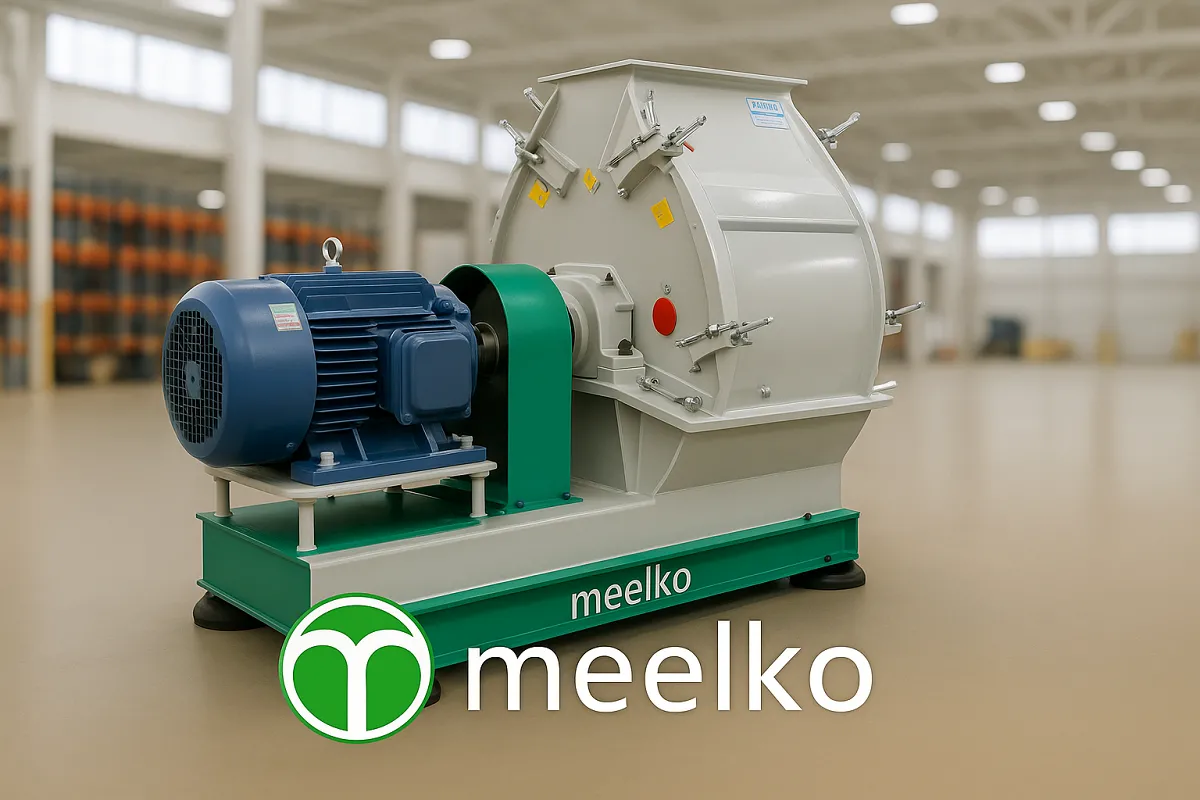
Hammer mills use high-speed rotating hammers to impact and shatter materials. They are the most versatile grinding solution, capable of processing:
- Grains and cereals for animal feed
- Biomass and wood for pellet production
- Spices and dried herbs
- Recycled materials and plastics
- Minerals and chemicals
Particle size is controlled by screen selection, typically producing output from 0.5mm to 10mm. Modern hammer mills can process 1-30 tons per hour depending on screen size and material.
Roller Mills
Roller mills compress material between two or more cylindrical rollers. They offer superior energy efficiency and produce more uniform particle sizes compared to hammer mills. Best applications include:
- Flour milling (wheat, corn, rice)
- Oilseed crushing
- Cement and mineral processing
- Sugar cane crushing
Ball Mills
Ball mills use steel balls or ceramic media inside a rotating cylinder to grind material to very fine particle sizes (below 100 microns). They are essential for:
- Cement production
- Mining and ore processing
- Ceramic and paint manufacturing
- Pharmaceutical grinding
Key Selection Criteria
Material Characteristics
Understanding your raw material is crucial. Key properties include hardness (Mohs scale), moisture content, abrasiveness, initial particle size, and fat or oil content. Fibrous materials like biomass require different approaches than brittle materials like minerals.
Desired Output Size
Different industries require different particle sizes. Animal feed typically needs 0.5-3mm particles, flour production requires sub-200 micron output, and biomass preparation for pelletizing needs 3-6mm particles.
Capacity Requirements
Match your mill capacity to your production line. Consider peak demand periods and allow 15-20% headroom for maintenance downtime and material variability.
Energy Optimization
Grinding can consume 50-70% of total energy in a processing plant. Key strategies to reduce energy consumption include:
- Pre-screening to remove already-sized material before grinding
- Maintaining sharp hammers or properly profiled rollers
- Optimizing screen selection for the desired output
- Using variable frequency drives to match motor speed to load
- Implementing closed-circuit grinding with air classification
Conclusion
Selecting the right industrial mill is critical for product quality, energy efficiency, and production economics. At Meelko, we manufacture a complete range of grinding mills designed for reliability and performance, with customization options to match your specific processing requirements.