The AI Revolution in Manufacturing
Artificial intelligence is no longer a futuristic concept—it's actively transforming how industrial machinery operates, is maintained, and delivers value. From pellet mills that self-adjust compression parameters to grinding mills that predict bearing failure weeks in advance, AI is making factories smarter, more efficient, and more profitable.
Predictive Maintenance: Preventing Failures Before They Happen
How It Works
Traditional maintenance follows either a reactive approach (fix it when it breaks) or a scheduled approach (service every X hours). Both are inefficient. AI-powered predictive maintenance analyzes real-time sensor data—vibration, temperature, current draw, acoustic signatures—to identify patterns that precede equipment failure.
Real-World Applications
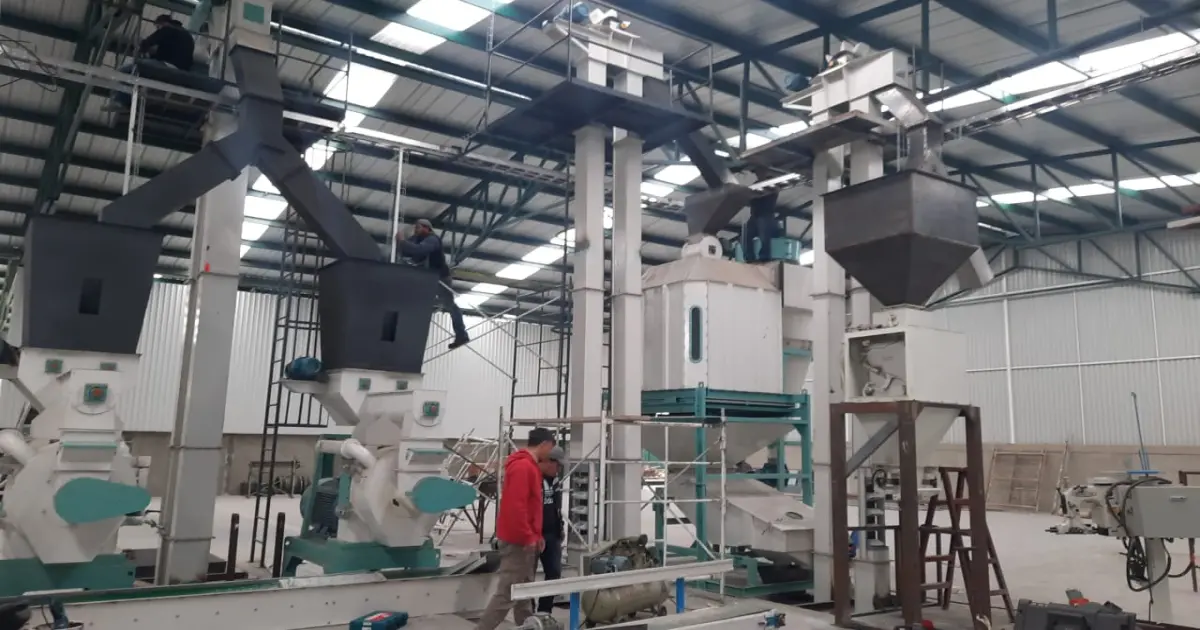
- Pellet mills: AI monitors die wear patterns, roller pressure, and motor load to predict when components need replacement. This prevents costly unplanned shutdowns and extends die life by 15-25%
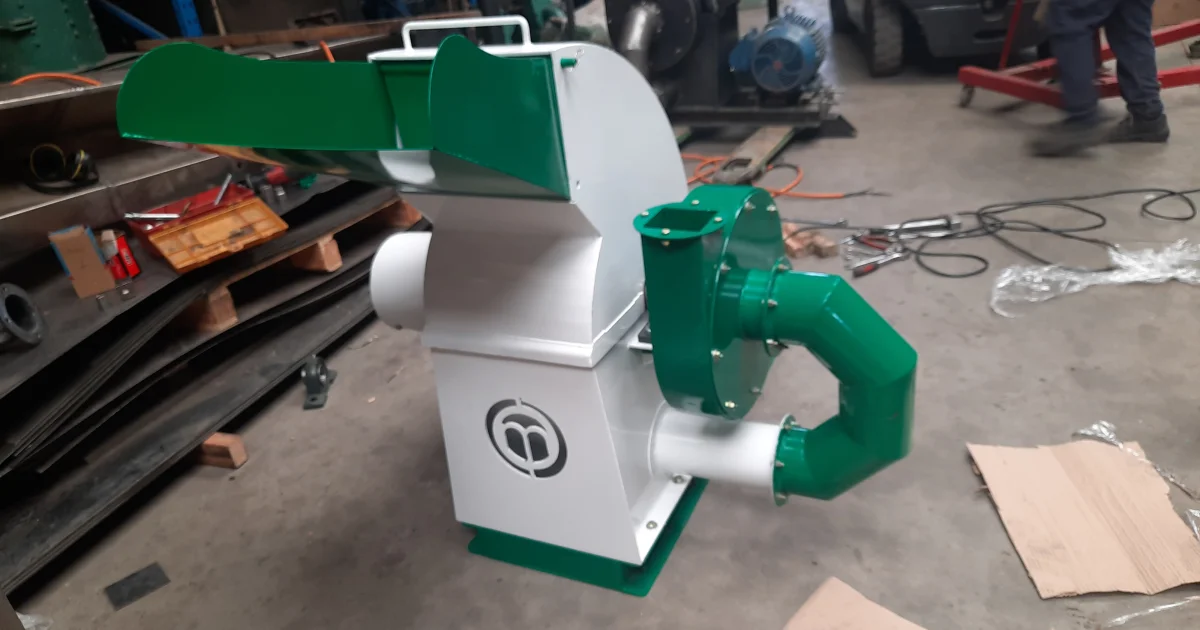
- Hammer mills: Vibration analysis detects imbalanced hammers or bearing degradation days before failure, scheduling maintenance during planned downtime
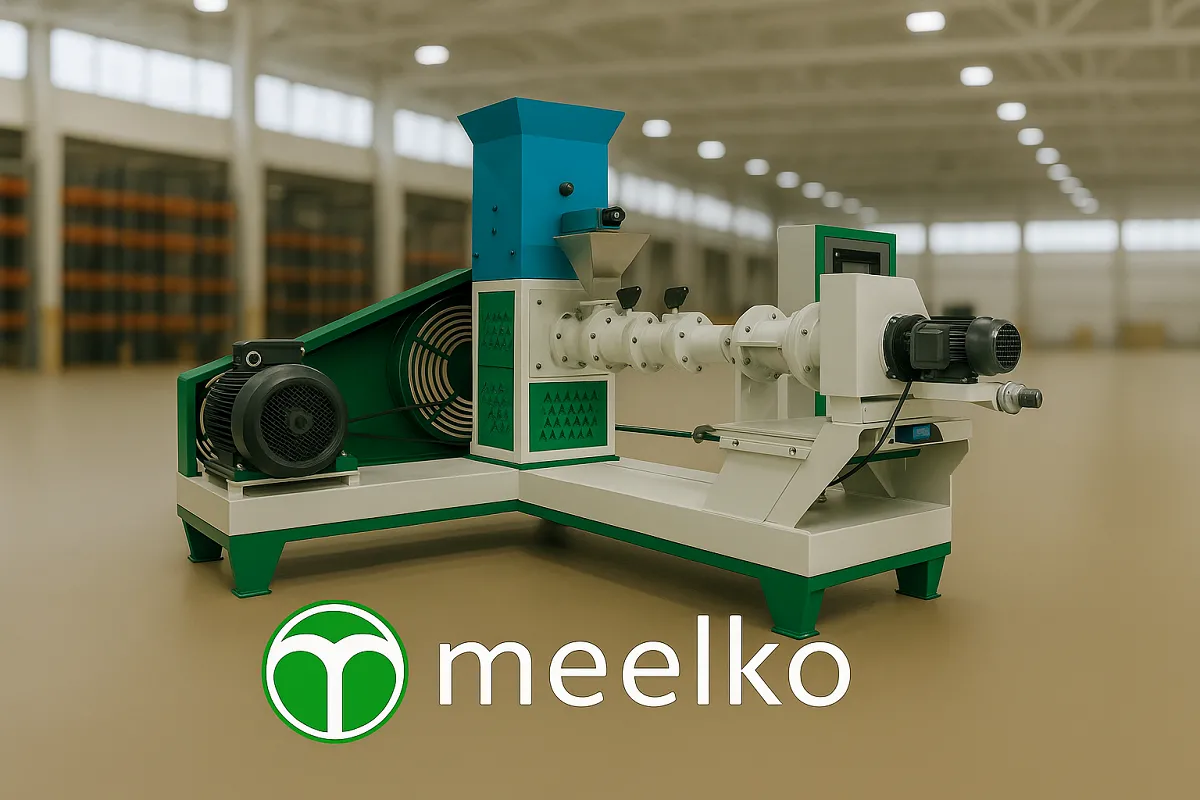
- Extruders: Temperature and pressure sensors combined with AI algorithms detect screw wear or barrel damage, preventing product quality issues
- Conveyors and elevators: Belt tension, alignment, and motor health are continuously monitored to prevent production line stoppages
The Impact
Predictive maintenance typically reduces unplanned downtime by 30-50%, extends equipment life by 20-40%, and cuts maintenance costs by 10-25%. For a feed production line running 24/7, this can mean hundreds of thousands of dollars in annual savings.
Pre-Alert Systems: Smart Notifications
Modern AI systems don't just detect problems—they communicate proactively. Smart pre-alert systems can:
- Send real-time alerts to operators' phones when parameters drift outside optimal ranges
- Prioritize alerts by severity—critical failures vs. performance degradation vs. informational
- Recommend actions based on the specific issue detected: "Die section 3 showing accelerated wear, recommend inspection at next scheduled stop"
- Escalate automatically if initial alerts are not acknowledged within defined timeframes
- Track alert history to identify recurring issues and root causes
Automated Quality Control
Vision-Based Inspection
AI-powered cameras inspect products at speeds impossible for human operators. In pellet production, vision systems can check:
- Pellet length and diameter consistency
- Surface quality and crack detection
- Color uniformity (indicating proper cooking/conditioning)
- Foreign object detection
Real-Time Parameter Adjustment
Perhaps the most powerful application of AI in quality control is closed-loop process optimization. The system continuously monitors output quality and automatically adjusts machine parameters:
- In pellet mills: Adjusting roller gap, conditioning temperature, and feed rate based on pellet durability measurements
- In extruders: Modifying screw speed, barrel temperature, and moisture addition based on product density and expansion
- In mixers: Optimizing mixing time and sequence based on ingredient moisture and particle size
Intelligent Inventory and Stock Management
Raw Material Optimization
AI analyzes consumption patterns, supplier lead times, price fluctuations, and production schedules to optimize raw material purchasing and inventory levels. Benefits include:
- Reduced carrying costs: AI maintains just-in-time inventory levels, reducing warehouse costs by 15-30%
- Automated reordering: Systems trigger purchase orders when stock reaches calculated reorder points, considering lead times and production forecasts
- Price optimization: AI identifies the best times to purchase raw materials based on market trends and historical price data
- Waste reduction: Tracking expiration dates and material degradation to minimize waste from spoiled ingredients
Finished Product Management
AI also optimizes finished product inventory by forecasting demand based on historical sales data, seasonal patterns, market trends, and even weather data that affects animal feed consumption.
Self-Optimizing Production Lines
The ultimate goal of AI in manufacturing is the self-optimizing production line. These systems learn from thousands of production runs to continuously improve:
- Energy consumption: AI identifies the most energy-efficient operating parameters for each product formulation
- Throughput: Machine speeds are dynamically adjusted to maximize output while maintaining quality
- Changeover time: AI optimizes production scheduling to minimize product changeovers and cleaning cycles
- Recipe optimization: Using least-cost formulation algorithms that consider real-time ingredient prices and nutritional targets
Machine Control: Remote and Autonomous Operation
SCADA and IoT Integration
Modern industrial machinery connects to centralized control systems through IoT sensors and SCADA (Supervisory Control and Data Acquisition) platforms. Operators can monitor and control entire production lines from a single dashboard—or even remotely from a mobile device.
Digital Twins
AI creates digital replicas of physical machines that simulate performance under different conditions. Engineers can test parameter changes, predict outcomes of modifications, and optimize processes without risking actual equipment or production quality.
Implementation Roadmap
Adopting AI in your manufacturing operation doesn't require a complete overhaul. A practical implementation path includes:
- Phase 1 — Sensor Installation: Add IoT sensors to critical equipment for data collection (vibration, temperature, power)
- Phase 2 — Data Collection: Build a baseline dataset over 3-6 months of normal operation
- Phase 3 — Basic Analytics: Implement dashboards showing real-time machine status and historical trends
- Phase 4 — Predictive Models: Deploy machine learning models for maintenance prediction and quality monitoring
- Phase 5 — Closed-Loop Control: Enable AI to automatically adjust machine parameters for optimization
Conclusion
AI is not replacing human operators—it's empowering them with superhuman perception and analysis capabilities. The factories that embrace these technologies today will have significant competitive advantages in efficiency, quality, and responsiveness. At Meelko, we're committed to integrating smart technology into our complete range of industrial machinery, helping our customers build the factories of tomorrow, today.