Short answer: the bale is the cheapest to make and the most expensive to ship; the pellet is the densest and is ground before pressing; the cube keeps the long fiber horses and dairy cows need, and exports well. The Meelko 2 t/h cubing machine costs USD 60,816; an alfalfa pellet mill starts at USD 2,024. Below is how they compare and which one makes sense.
The three formats
- Bale: baled forage with minimal processing. It is the traditional format, but it takes up a lot of room and sells close to where it is produced.
- Cube: chopped forage is compressed into blocks a few centimeters across. It keeps long fiber, handles in bulk and greatly reduces volume.
- Pellet: forage is finely ground and pressed. It is the densest and easiest to dose, and other ingredients can be added, but it loses the long fiber.
The shipping math
What defines the forage export business is how much fits in a container. A 40-foot container holds about 76 m³ and carries about 26 tons. With approximate industry densities:
- Standard bale (about 170 kg/m³): close to 13 tons. Half the container's weight capacity goes unused.
- Cube (about 450 kg/m³): 34 tons by volume, so it fills the container by weight: 26 tons.
- Pellet (about 650 kg/m³): also reaches 26 tons, with room to spare.
In other words, cubes and pellets double the load per container compared with standard bales, and freight per ton falls by half. If you sell within 100 km, that may not justify it; if you sell far away, it is what makes the business possible.
The machine math
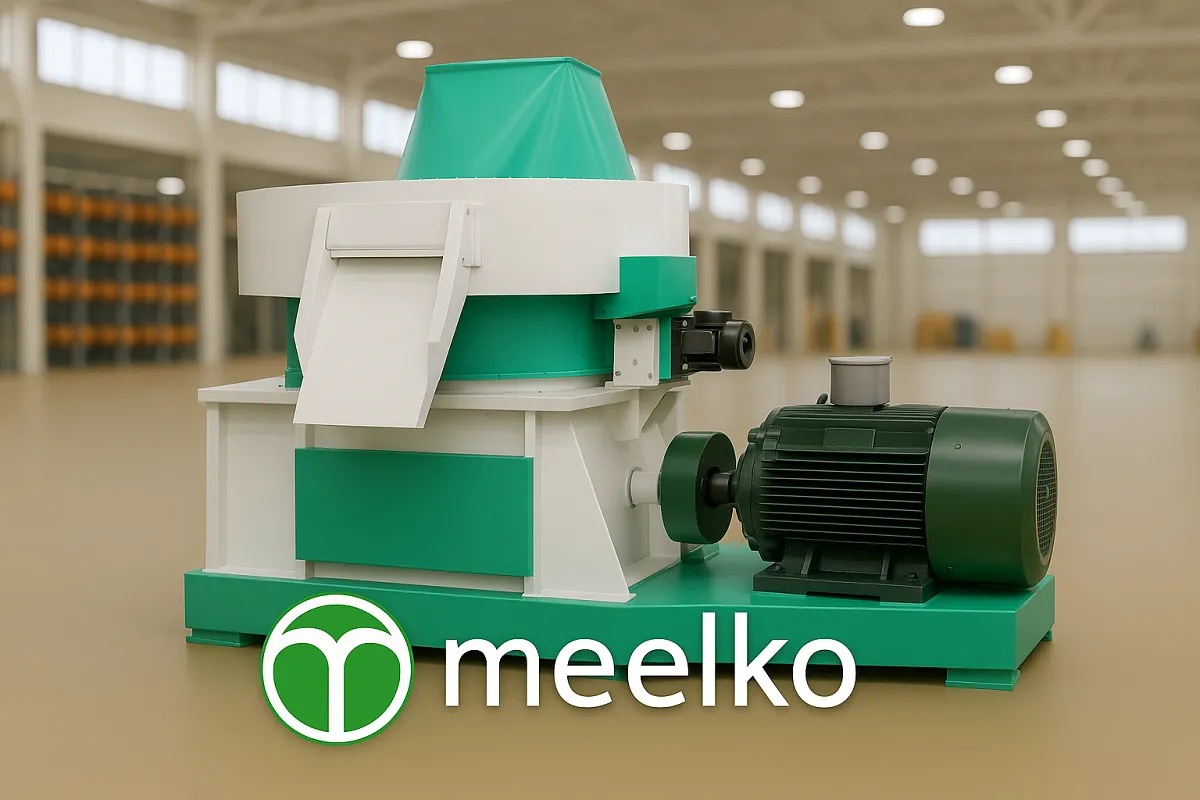
- 2 t/h cubing machine: 110 kW, 4.2 × 2.1 × 1.6 meters, 3,500 kg. USD 60,816. About USD 30 per kg/h and 55 kWh per ton.
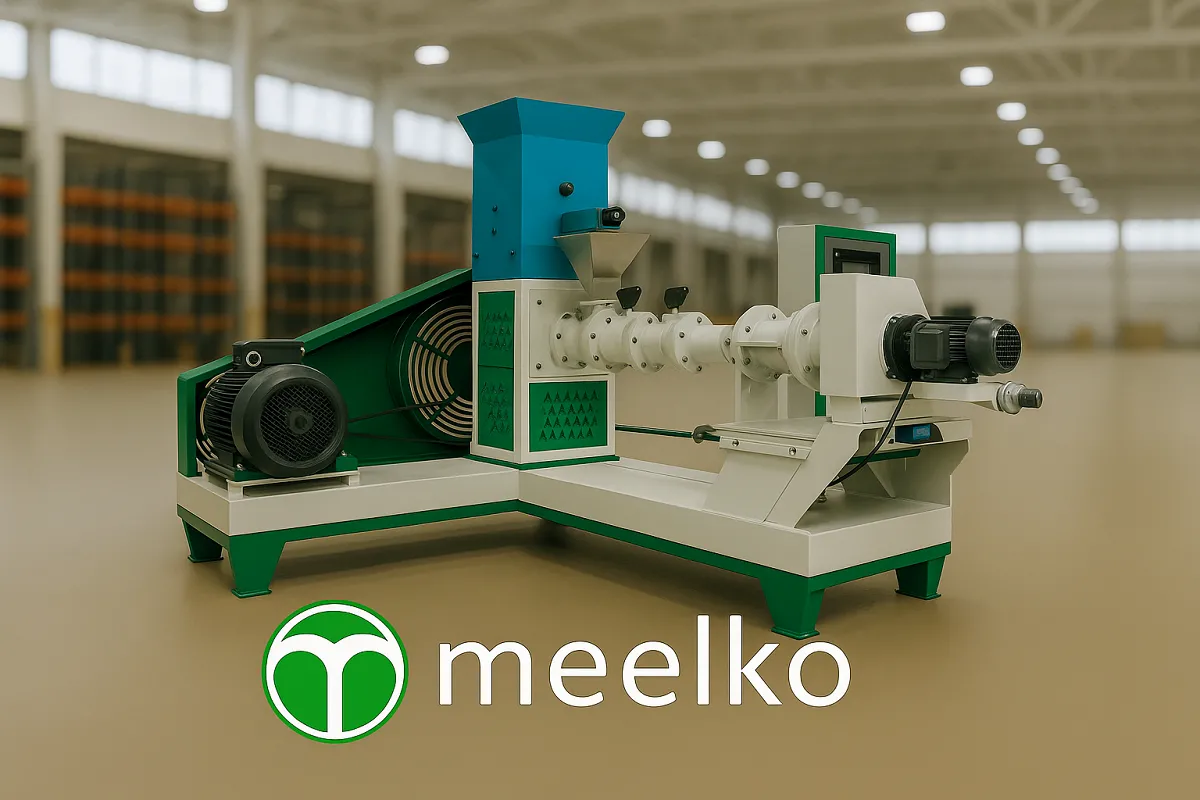
- MKFD260C alfalfa pellet mill: 400 kg/h, 15 kW. USD 6,400. About USD 16 per kg/h and 38 kWh per ton.
- MKFD300C alfalfa pellet mill: 400 to 500 kg/h, 22 kW. USD 7,900. About USD 18 per kg/h and 49 kWh per ton.
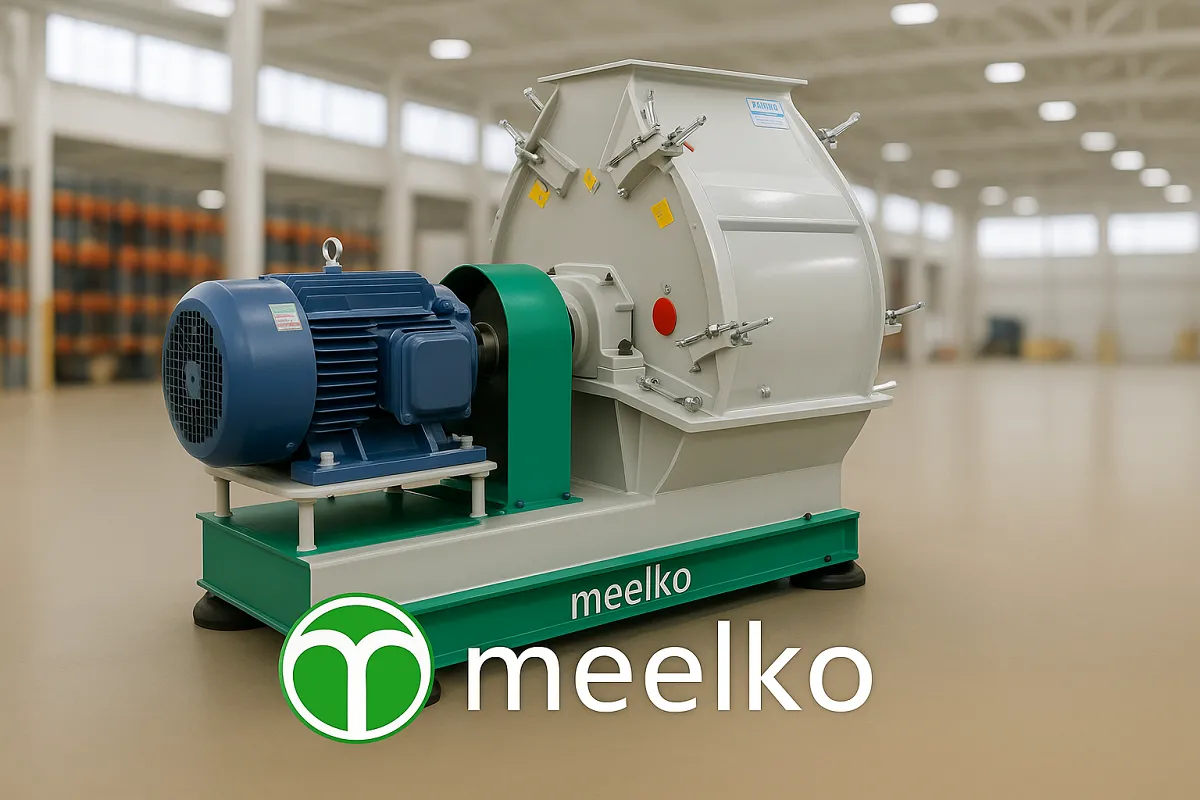
The pellet mill is cheaper and lets you start small, with one machine. The cubing machine is an industrial-scale investment: at 2 t/h over 176 hours a month it can produce up to 352 tons a month, and it needs that raw material and that market. Add a hammer mill for pellets (see grinding for alfalfa pellets) and prior chopping for cubes.
Which one by customer
- Nearby dairies and feedlots: bales or round bales. If you already produce them, do not add a step the customer will not pay for.
- Horses and export to markets that want long fiber: cubes. Fiber supports rumination and digestion, and it is what the buyer is looking for.
- Rabbits, small farm animals, balanced feed and distant low-volume markets: pellets. They dose easily, bag well and sell in small quantities. The business is detailed in alfalfa pellets.
If you export, ask what the buyer wants before choosing the machine: some countries have sanitary and quality requirements that define the format.
Before buying
- Work out how much raw material you have all year. A 2 t/h cubing machine needs thousands of tons per season. If you have less, start with pellets.
- Check the power. 110 kW is an industrial installation: check the grid before moving forward.
- Test with your forage. Each variety and cut behaves differently. The technical test with your raw material shows real capacity and quality.
Conclusion
The format is chosen by the customer and the distance, not by the machine. Meelko, an American brand of agro-industrial machinery, offers alfalfa pellet mills from 120 to 400 mm and the 2 t/h cubing machine. Tell us what forage you produce, how much and who you sell to, and we will tell you what makes sense.