Short answer: pellets do not make a hen happy, but they do solve something key to a good egg: every bite carries the complete formula, so the hen cannot pick what she likes and leave the rest. The other half comes from space, clean water, health and management. Below is what defines egg quality, what pellets bring, what they do not, and the math to see if making them is worth it.
What a quality egg is
Customers judge it by what they see and taste. Each thing depends on something different:
- The shell: firm and clean. It depends mainly on dietary calcium, vitamin D and the age of the hen. A clean nest and frequent collection do the rest.
- The yolk: its color comes from the pigments the hen eats, such as those in corn, alfalfa and other plants. That is why hens on grass tend to lay deeper-colored yolks.
- The white: firm when the egg is fresh. It depends heavily on storage time and temperature.
- Size and regularity: these depend on genetics, age and the hen getting the protein and energy she needs every day.
Almost all of this goes through the feeder. And that is where the way feed is presented matters.
What pellets bring
- They stop the hen from selecting. With mash, birds tend to eat the large particles first and leave the fines, where vitamins and minerals often end up. In a pellet, everything goes together.
- Less waste and less dust. Less spills from the feeder and the house stays cleaner, which benefits both bird and worker.
- An even formula, batch after batch. The mix no longer separates during transport or in the silo. What you formulated is what reaches the feeder.
- A product that is easy to handle. It flows better through hoppers and feeders, and stores better.
- The heat of the process helps. Pelleting temperature reduces the microbial load, although it does not replace hygiene in ingredients and storage.
What pellets do not do
A bad formula in pellet form is still a bad formula, just tidier. And there is one point to keep in mind: a hen eats pellets faster than mash, so she has more free time. With nothing to do, the risk of pecking among flockmates goes up. That is why pellets work best alongside what makes for welfare:
- Space. As a reference, in the European Union free-range eggs require at least 4 m² of outdoor run per bird, and up to 9 hens per m² inside the house. Each country has its own rules.
- Grass, nests and perches. Pecking, scratching and perching are natural behaviors. Making room for them is what customers imagine when they buy eggs from happy hens.
- Clean water at all times. It is the first thing that shows in laying when it fails.
- Health and light. A plan with your veterinarian and stable light hours sustain production.
"Happy hens" is not an official category. If you want to sell on it, be specific: show the farm, explain what the hens eat and use the terms your country's standard allows, such as "pasture-raised", "free-range" or "organic".
Formula and size
Poultry take small pellets, 2 to 3 mm: the diameter is set by the die. The formula changes by stage (chick, pullet, layer) and it is best to work with a nutritionist who adapts it to your local ingredients. One advantage of making it yourself is deciding what goes in: if your brand promises your own corn, no certain ingredients or added alfalfa, you can deliver and show it. If you grow forage, see alfalfa pellets.
The math: 1,000 hens
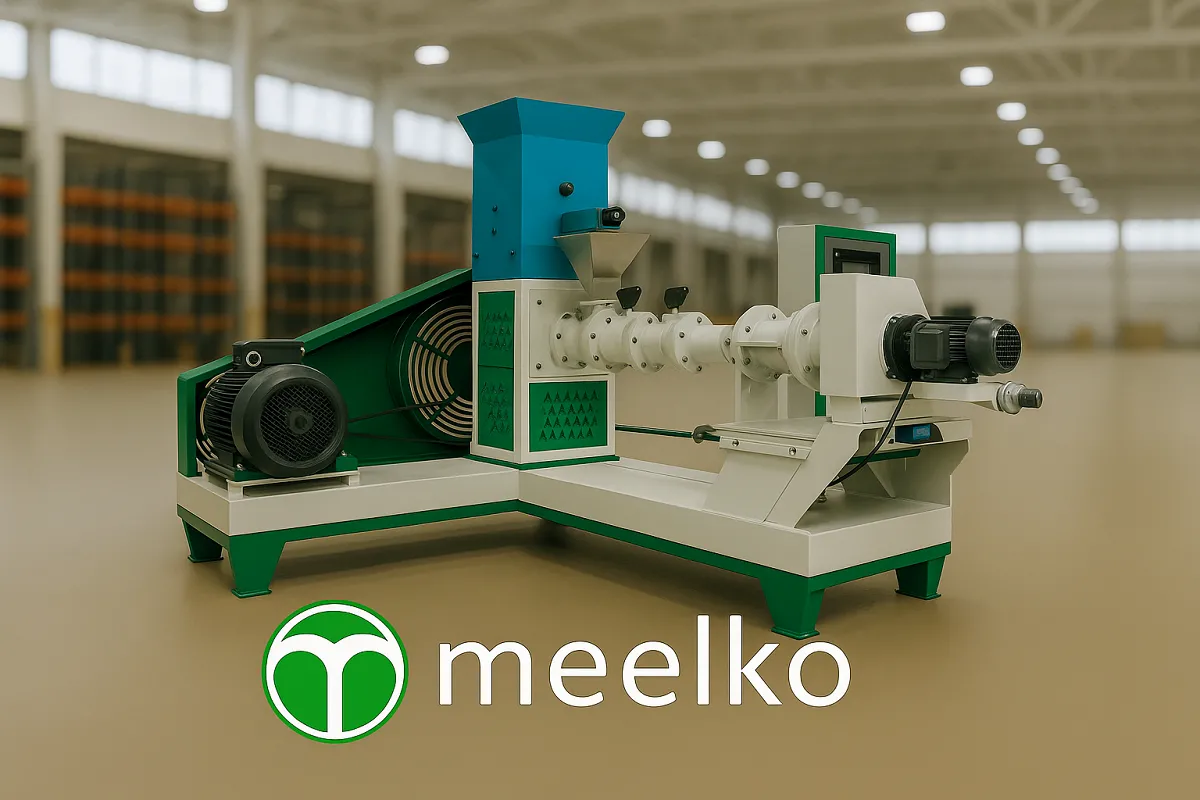
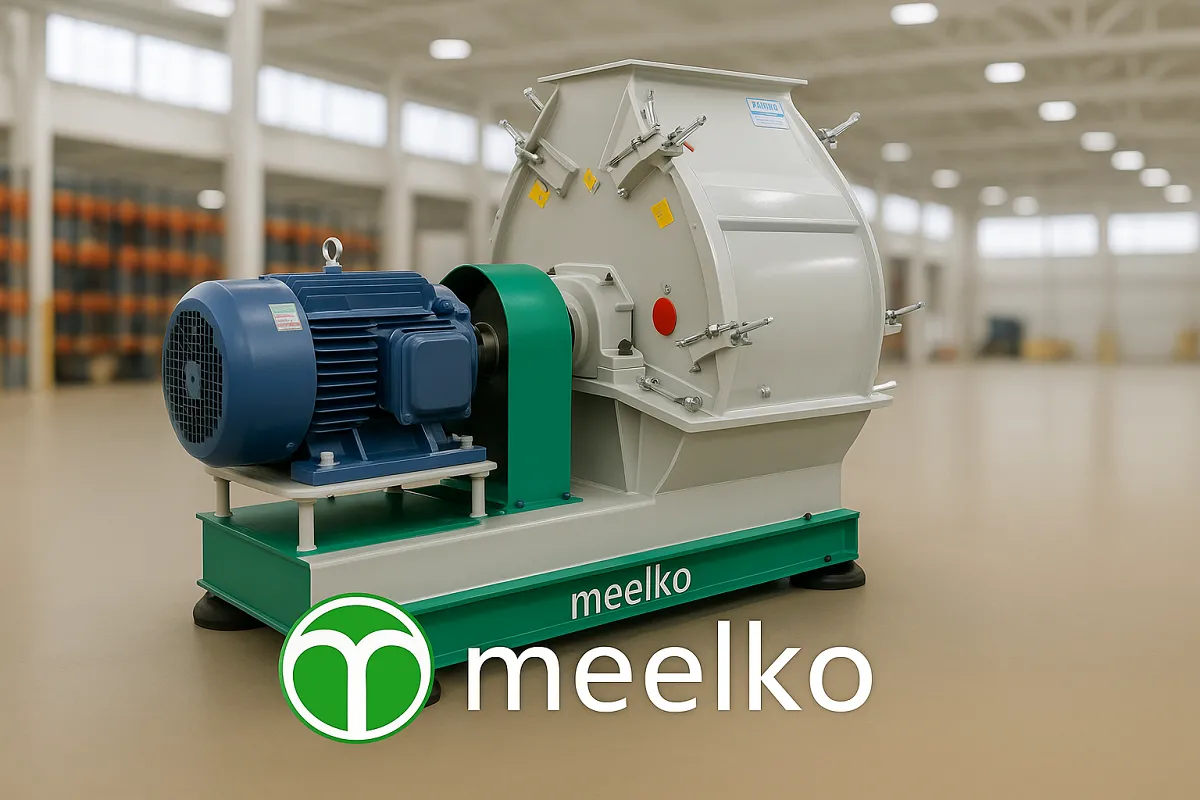
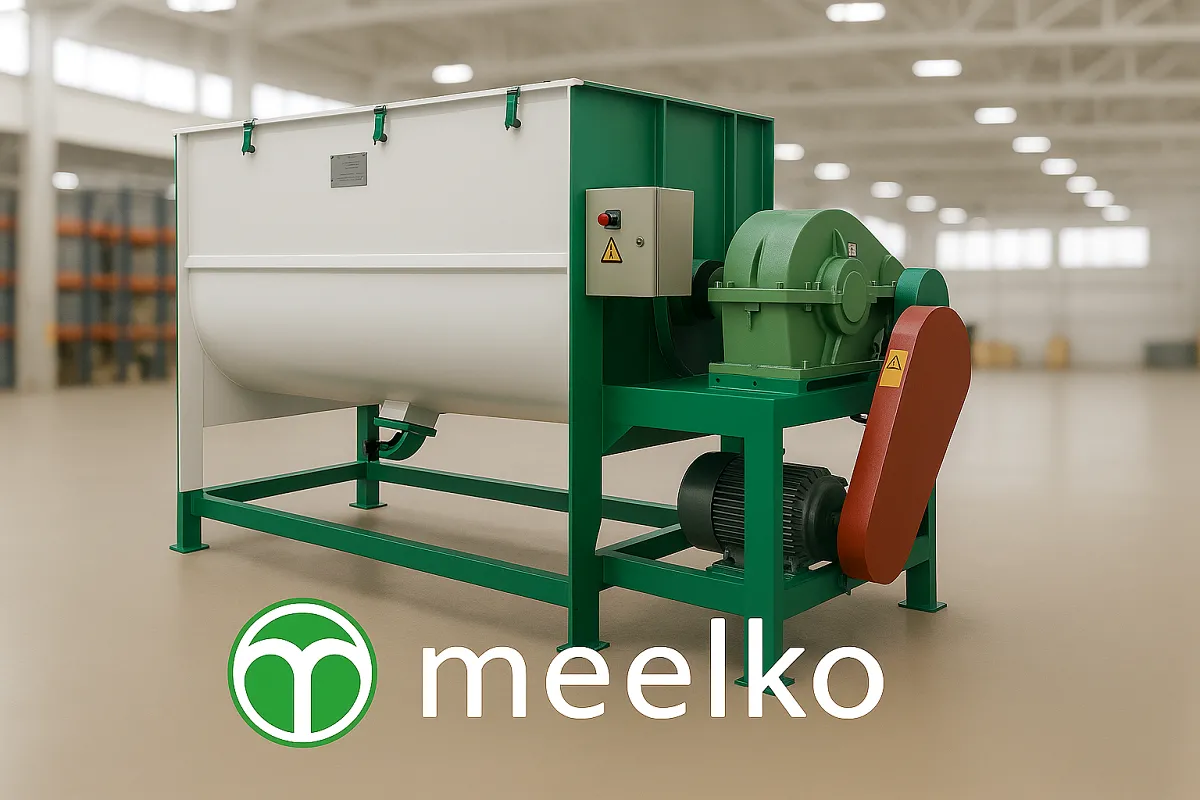
At about 115 grams of feed per day, 1,000 hens eat 115 kg daily: about 3.5 tons per month. The MKFD120B (50 kg/h, 3 kW, USD 2,024) produces that in 2.3 hours a day. With the MKH158B hammer mill (USD 1,338) and the 150 kg/h mixer (USD 3,686), the line costs about USD 7,050.
At this scale it pays to be honest with the numbers. If making your feed saved you USD 40 per ton, that would be about USD 140 a month: more than four years to pay for the line. Savings alone are not enough. What changes the math is the price of the egg:
- With a laying rate of about 85%, 1,000 hens give about 850 eggs a day: about 2,125 dozen a month.
- Each extra USD 0.10 per dozen is about USD 212 a month. Added to the savings in the example, the line pays for itself in about 2 years.
- If you also sell feed to other local producers, the machine runs more hours and the payback gets shorter.
These are example numbers: use your own. With 5,000 hens or more, the savings weigh much more, as we show in which pellet mill for how many birds.
Conclusion
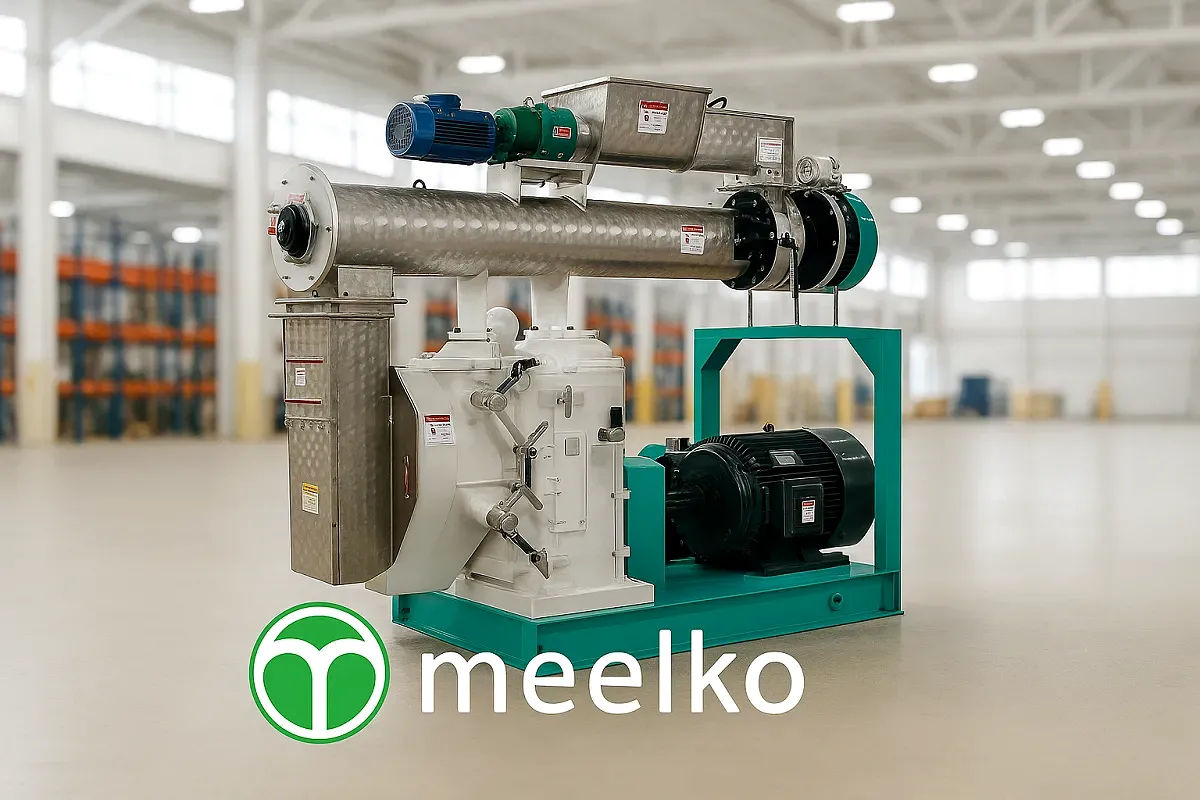
A good egg comes from a well-fed, well-treated hen. Pellets secure the first part: the formula reaches every bird complete, every day. Meelko, an American brand of agro-industrial machinery, offers feed pellet mills from 50 kg/h, hammer mills and mixers. Tell us how many hens you have, how you raise them and what egg you want to sell, and we will propose the line.