What Is Biomass Briquetting?
Biomass briquetting is the process of compressing loose organic materials—such as sawdust, rice husks, bagasse, peanut shells, and other agricultural residues—into dense, uniform blocks called briquettes. These briquettes serve as an efficient, renewable alternative to fossil fuels for heating, cooking, and industrial energy generation.
Environmental Benefits
Waste Reduction
Millions of tons of agricultural and forestry waste are burned in open fields or sent to landfills each year. Briquetting converts this waste into a valuable energy product, reducing pollution and methane emissions from decomposition.
Carbon Neutral Energy
Unlike coal or petroleum, biomass briquettes release only the carbon that was absorbed during the plant's growth cycle. This makes them a carbon-neutral fuel source that contributes to climate change mitigation.
Deforestation Prevention
In regions where firewood is the primary fuel, briquettes provide a sustainable alternative that reduces pressure on forests. One ton of briquettes can replace approximately 1.5 tons of firewood.
Economic Advantages
- Low raw material cost: Agricultural waste is abundant and often free or very cheap
- High energy density: Briquettes have 3,500-4,500 kcal/kg, comparable to low-grade coal
- Reduced transportation costs: Compacted briquettes are 8-10x denser than loose biomass
- Growing market demand: The global biomass briquette market is projected to grow 7.5% annually through 2030
- Quick ROI: Most briquetting operations achieve return on investment within 12-18 months
Common Raw Materials
Almost any dry organic material can be briquetted. The most common feedstocks include:
- Sawdust and wood shavings
- Rice husks and straw
- Sugarcane bagasse
- Peanut and coconut shells
- Cotton stalks
- Coffee husks
- Corn cobs and stalks
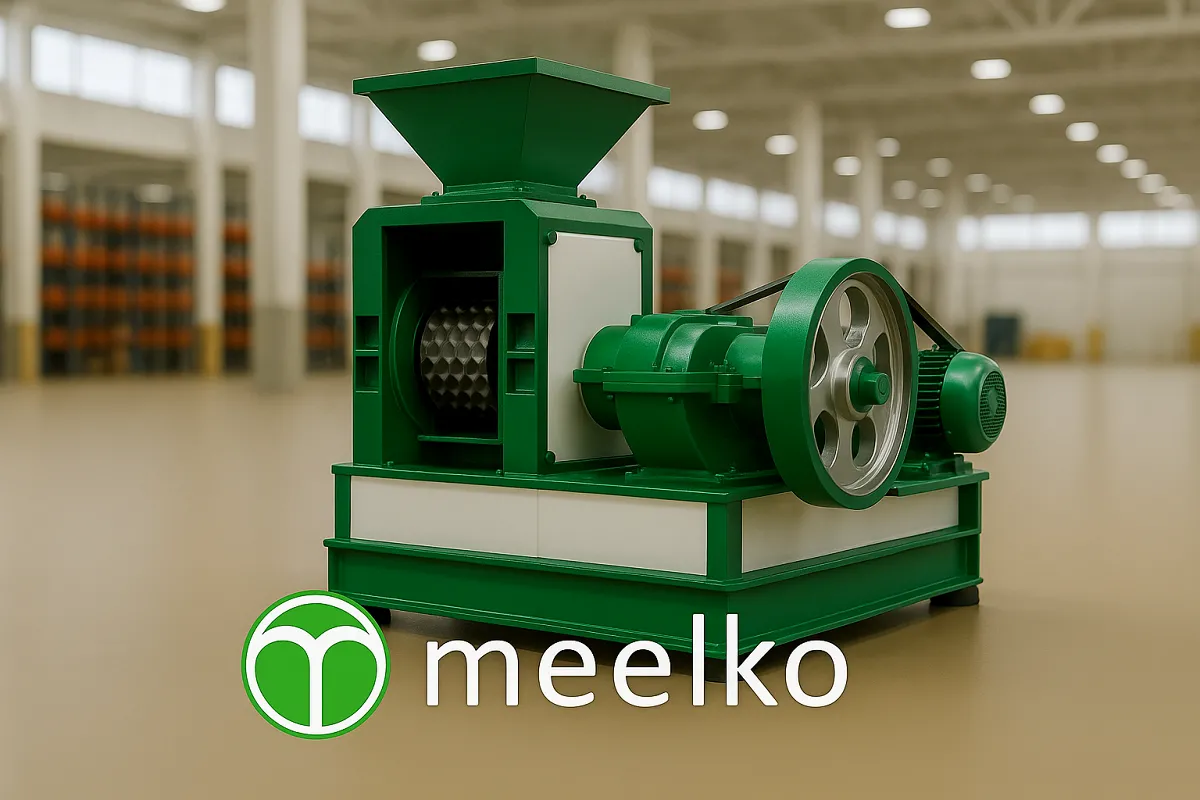
Types of Briquetting Machines
Mechanical Piston Press
Uses a reciprocating piston to compress material at high pressure. Produces dense, durable briquettes without binders. Ideal for wood-based materials with capacities from 200-2,000 kg/hour.
Hydraulic Press
Applies hydraulic pressure for slower but more controlled compression. Best for materials with higher moisture content. Typical output: 100-500 kg/hour.
Screw Press (Extruder)
Continuously feeds material through a heated screw that compresses and extrudes briquettes. Creates a central hole that improves combustion. Output ranges from 150-1,000 kg/hour.
Getting Started
Starting a briquetting business requires careful planning. Key steps include identifying reliable raw material sources, selecting the right machine capacity, understanding local energy markets, and ensuring proper material preparation (drying and sizing). At Meelko, we provide complete briquetting solutions including machinery, technical training, and ongoing support.