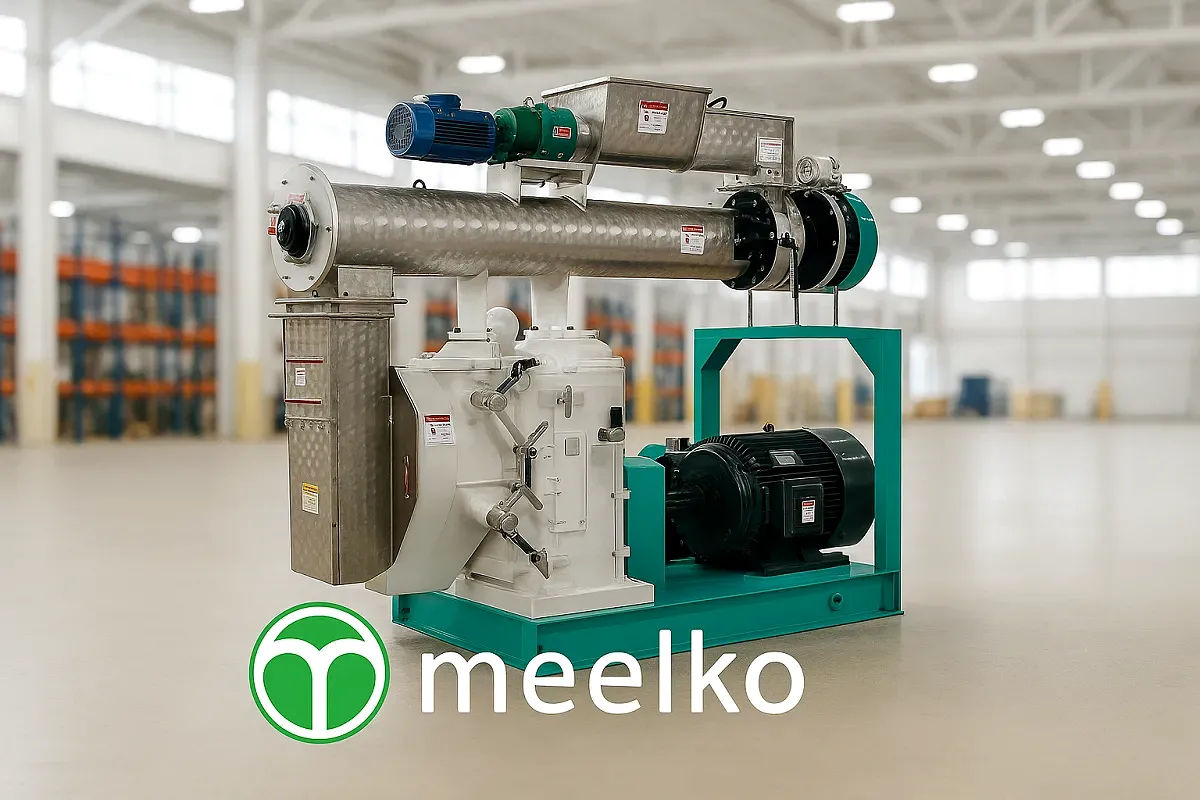
Pellet Mills from 120 to 400 mm: Output and Price for Each Size
Die diameter defines how much a pellet mill produces: from 50 kg/h at 120 mm to 800 kg/h at 400 mm. A table with output, power and price, two examples, and when to move to a ring die.
Read More
PTO or Electric Pellet Mill: Which One Fits Your Farm
No three-phase power but a tractor: the PTO pellet mill. A fixed plant with daily production: the electric one. Models from 230 to 400 mm side by side, required tractor, prices and the cost-per-ton math.
Read More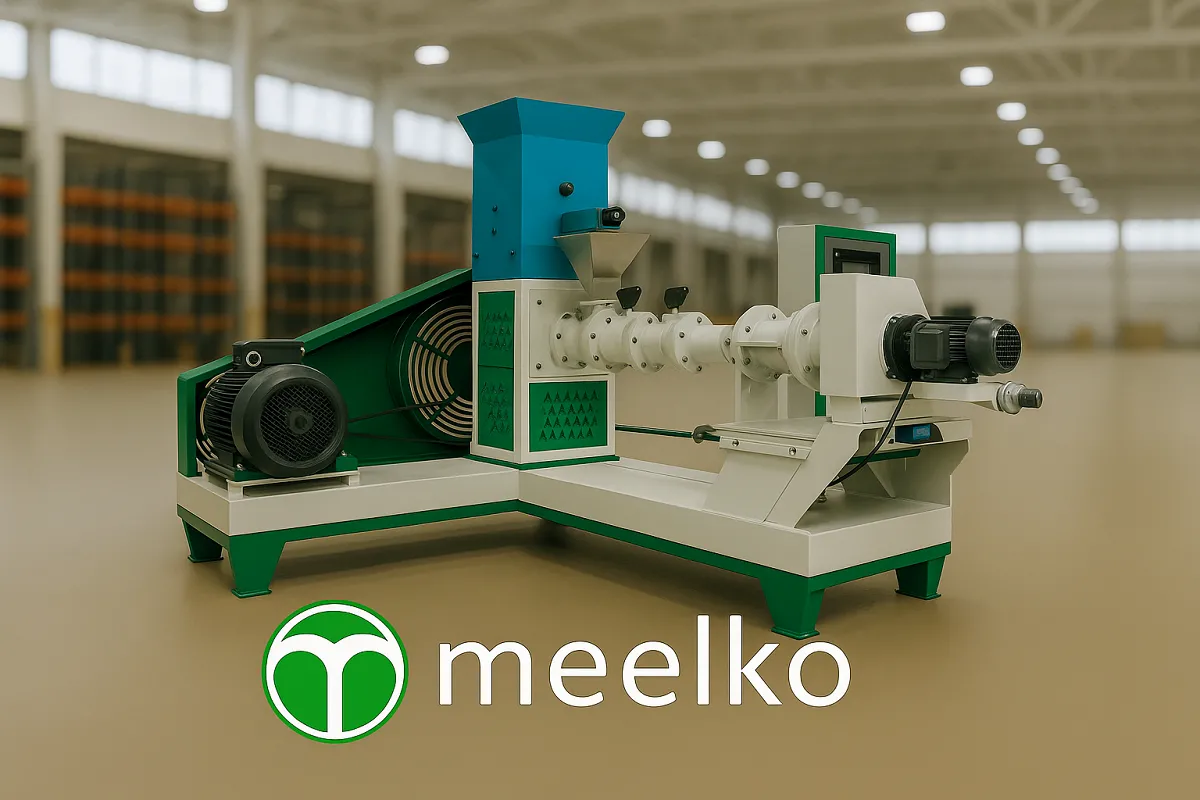
Fish Feed Machine: How to Choose the Extruder and What It Costs
Floating feed for tilapia, catfish or trout is made with an extruder. How to work out capacity from the tons you plan to sell, what line goes with it, and reference prices from 30 kg/h to 4 t/h.
Read More
Pet Food Extruder: How to Size a Pet Food Production Line
What extruder capacity you need, which equipment goes with it and how much energy a dog, cat or fish feed line consumes. A practical guide with models from 30 kg/h to 2 tons per hour.
Read More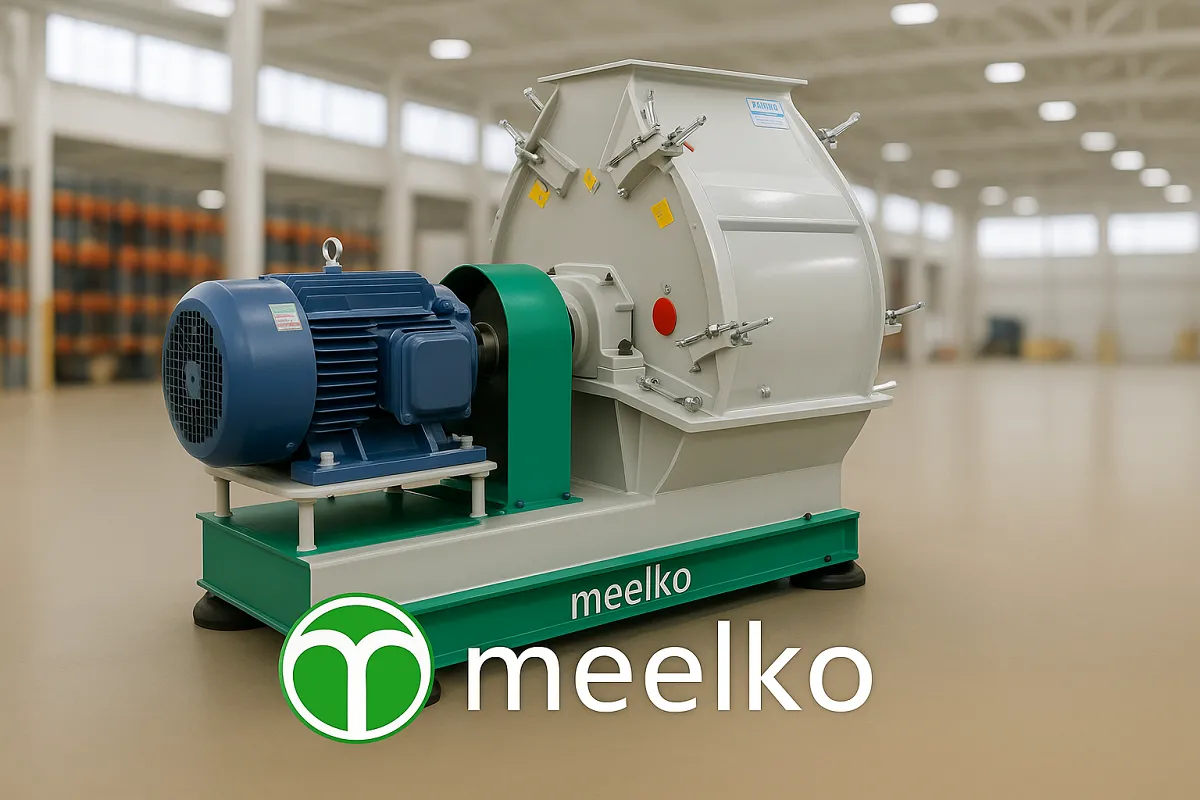
Hammer Mill vs Roller Mill: Which One to Choose According to the Material
Impact or compression: two ways of grinding with very different results in particle size, power consumption and wear. Which mill suits grain, feed, biomass, flour and fertilizer, with reference capacities and power ratings.
Read More
Pellet Plant Costs and Profitability: Investment, Power Consumption and Output per Hour
How much it costs to set up a pellet plant, how much energy it uses per ton, what real output to expect per shift and how long it takes to recover the investment. Reference numbers for lines from 150 kg/h to 5 tons per hour.
Read More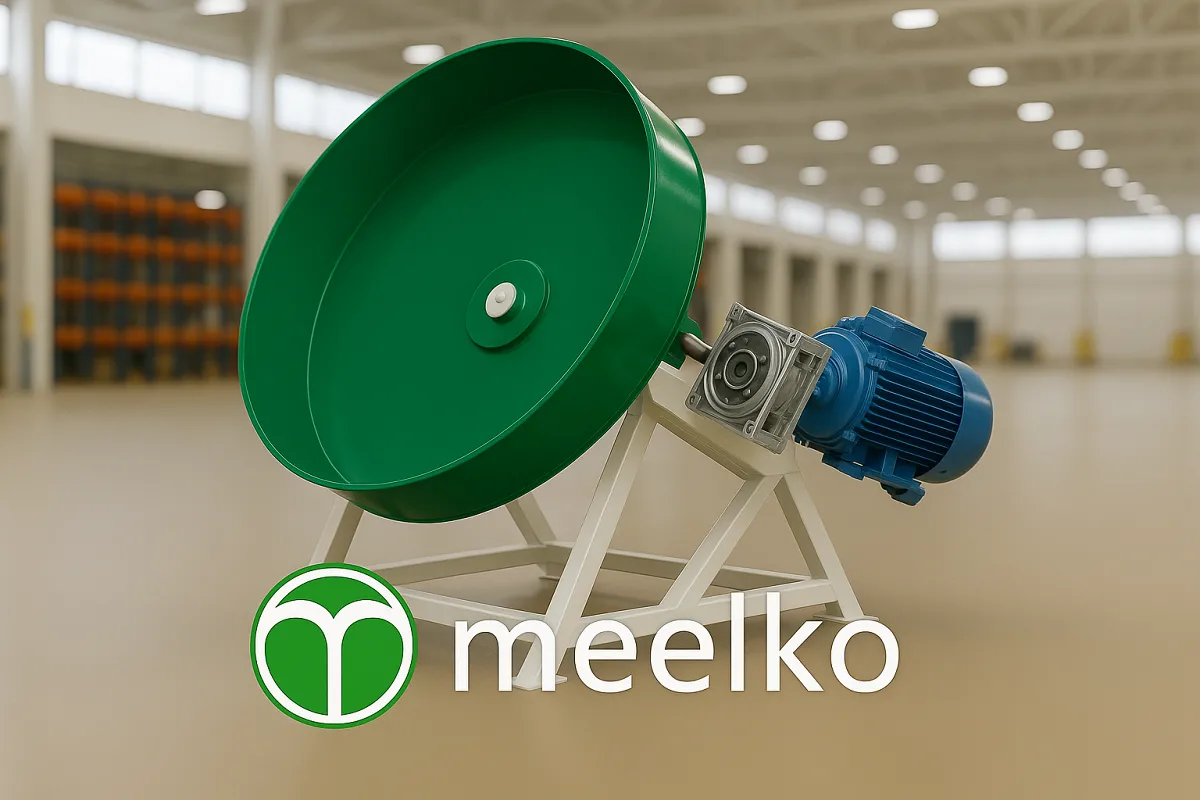
Fertilizer Granulators: Types, Capacities and How to Choose the Right One
Pan granulator or roller press granulator? Learn how each technology works, which capacities they cover (from 300 kg/h to 10 tons per hour) and the criteria that define the right choice for organic fertilizers, NPK blends and physical mixes.
Read More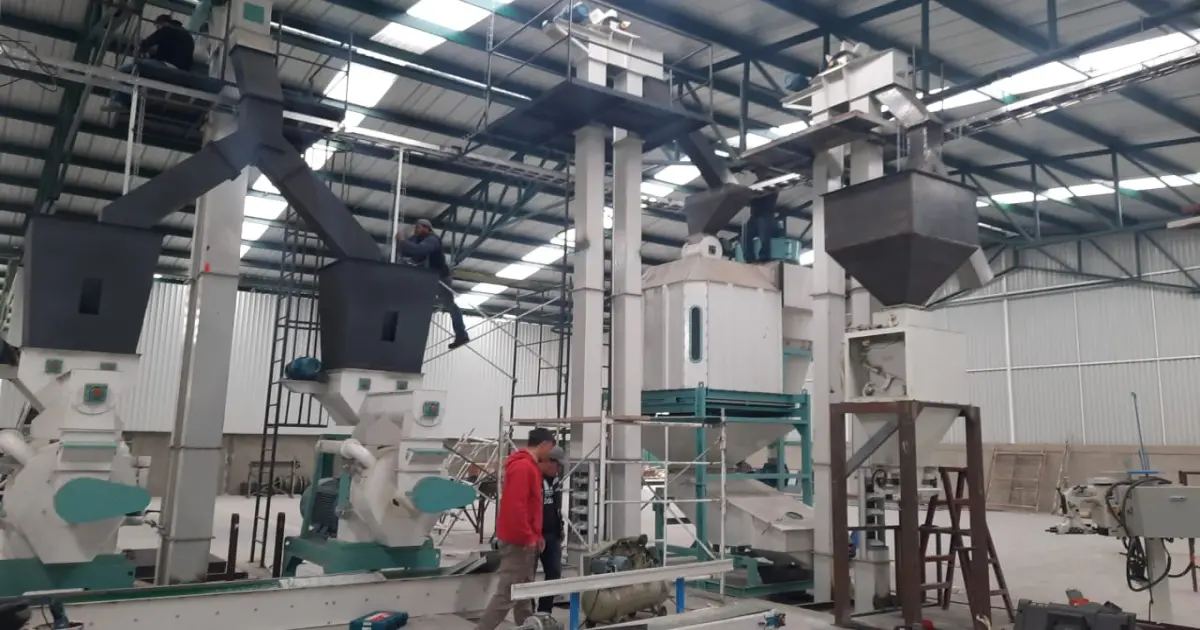
Pellet Plant Installation and Commissioning Services
The installation and commissioning of pellet plants is one of the most critical stages in any biomass production project. Buying equipment is not enough—the real results come from proper setup, calibration, and real-world operation of the entire production line.
Read More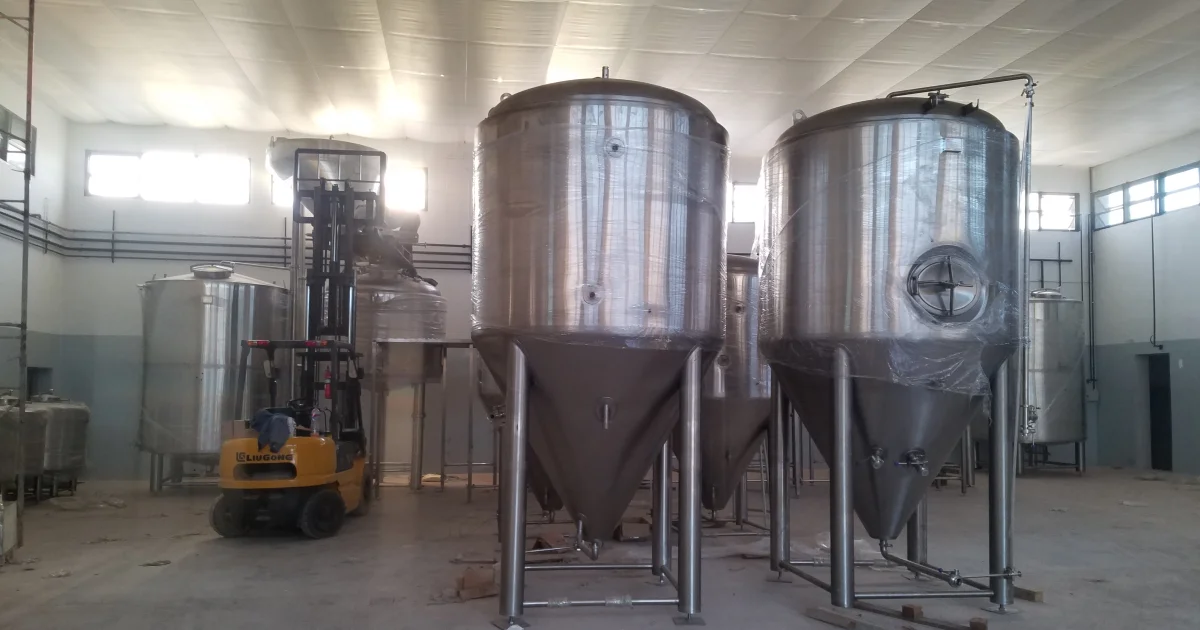
Setting Up a Liquid Fertilizer Plant: Essential Equipment Guide
Discover the key equipment and design considerations for building a liquid fertilizer production plant, from mixing tanks to packaging lines.
Read More