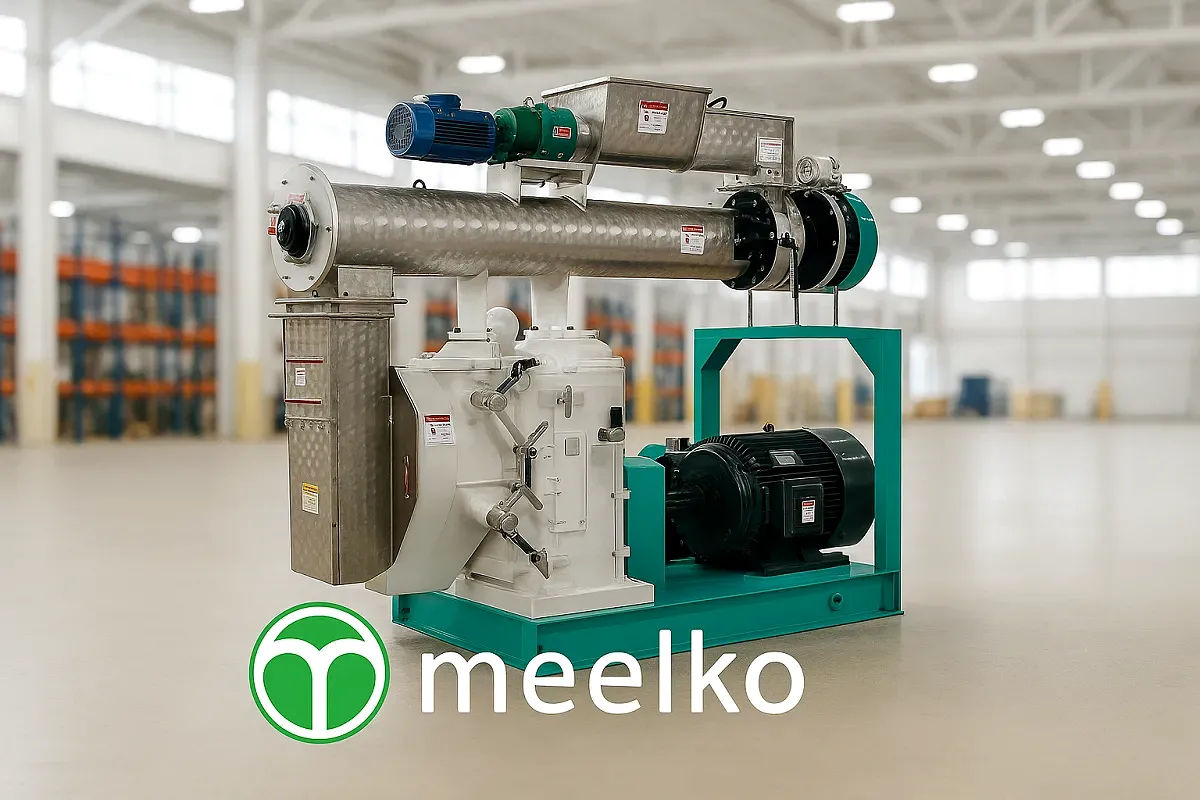
Short answer: a dog and cat kibble plant can start with a USD 7,056 extruder, a hammer mill and a mixer, and grow as sales grow. To produce 1 ton a month, the main equipment adds up to about USD 12,000; for 20 tons a month, about USD 19,000, plus drying and packaging. Below, the math for three scales and what you need besides the machines.
How kibble is made
Ingredients (grains, meat, poultry or fish meal, soybean, vitamins and minerals) are ground, mixed and fed into the extruder, which cooks them with pressure, temperature and moisture and shapes them as they pass through the die. The kibble is then dried, cooled, coated with fat and palatant, and bagged. The extruder is the core machine, and it is the same for dogs, cats and fish: the die and the formula change. Each stage is covered in how to size a pet food production line.
The math for three scales
Assumptions: 22 days a month, 6.5 effective hours a day (143 hours a month), and 15% weight loss in drying.
1 ton a month: the trial venture
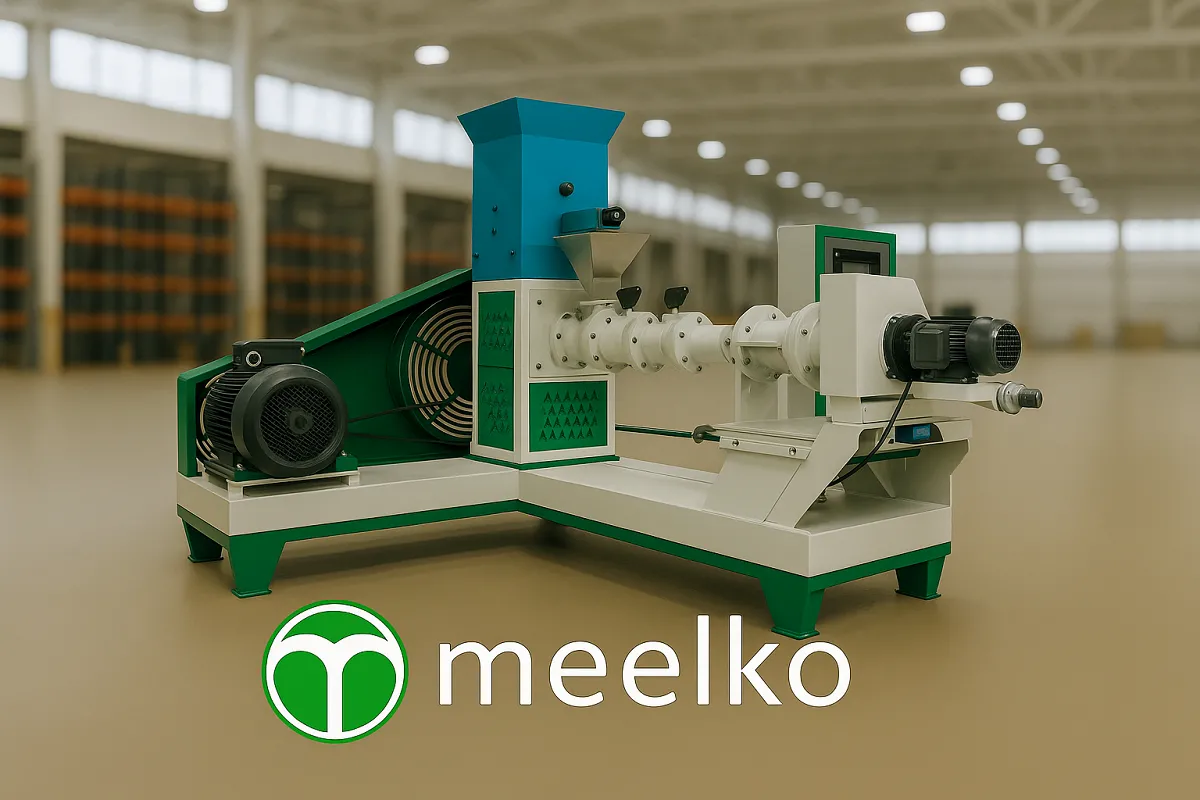
You need about 1,180 kg extruded per month. The MKED040C (30 to 40 kg/h, 5.5 kW) produces that in about 34 hours: five working days a month. This is the scale to test the formula, build the brand and win the first customers without committing much capital.
- MKED040C extruder: USD 7,056.
- MKH158B hammer mill (single-phase, 1.5 kW): USD 1,338.
- 150 kg/h horizontal mixer (2.2 kW): USD 3,686.
- Main equipment total: about USD 12,000.
5 tons a month: the local brand
That is about 5,880 kg extruded per month: 41 kg/h. The MKED040C would run at its limit every day; the MKED050C (60 to 80 kg/h, 11 kW) does it in a little over half a shift and leaves room to double. With the same mill and mixer, the main equipment adds up to about USD 12,800: the difference from the previous scale is minimal, so it pays to start directly at this size if the market is there.
20 tons a month: the regional plant
That is about 23,500 kg extruded per month: 165 kg/h. The MKEW060B (160 to 180 kg/h) is just enough; the MKED070B (180 to 200 kg/h, 18.5 kW) covers the volume with margin.
- MKED070B extruder: USD 11,148.
- MKH198B hammer mill (7.5 kW, 300 to 400 kg/h): USD 2,237.
- 250 kg/h horizontal mixer (4 kW): USD 5,757.
- Main equipment total: about USD 19,100, with 30 kW installed: three-phase power is required.
At all three scales, add the dryer, cooler, coater and packaging, sized together with the extruder. At small scales they can be simple units; from 20 tons a month up, the dryer is the most underestimated stage.
What you need besides the machines
- A professional formula. Pet food has nutritional requirements by species and age. Have the formula made by a nutritionist, who adapts it to the raw materials available in your area.
- Health permits. Almost every country requires registering the facility and the product to sell pet food. Find out before buying, because it defines how the premises must be built.
- Brand and packaging. In pet food, the bag sells. Design, sizes (from 1 to 20 kg) and a memorable name.
- Sales channels. Vet clinics, pet shops, feed stores, breeders and direct sales. A local brand with a good price and fast delivery competes well with the big brands in its region.
An advantage few people use
The same extruder makes kibble for dogs, cats and fish. A plant that starts with dog food can add cat food with another die and formula, and fish feed if there are fish farms nearby, without buying another machine. See fish feed machine.
Mistakes to avoid
- Buying the smallest extruder to save money. The 30 to 40 kg/h and 60 to 80 kg/h models differ by less than USD 700, and the second doubles capacity.
- Starting without permits. Selling unregistered exposes you to fines and closes the door to large retailers.
- Copying a formula from the internet. An unbalanced food makes pets sick and destroys the brand within months.
Conclusion
A kibble plant does not need to start big: with about USD 12,000 in main equipment you can produce, test the market and grow, and the same extruder works for dogs, cats and fish. Meelko, an American brand of agro-industrial machinery, offers extruders from 30 kg/h to 4 t/h, hammer mills and mixers to build the line at the scale of each project. Tell us how many tons a month you want to sell and for which animals, and we will propose the line.